
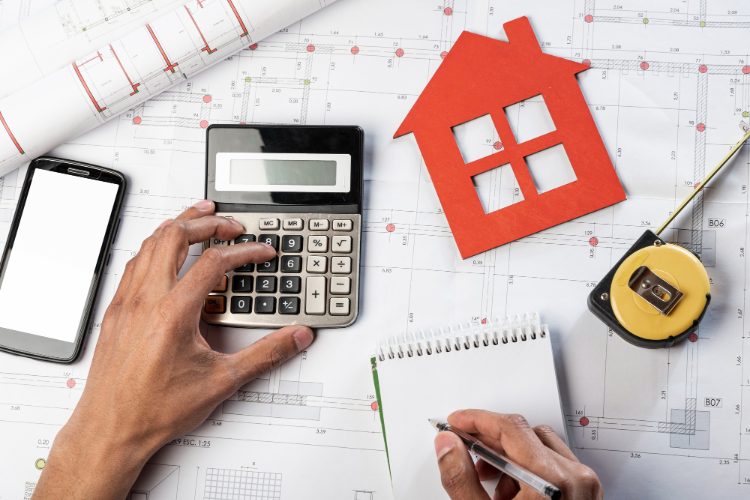
What Is the 30% Rule in Remodeling and Should You Actually Follow It?
You’re ready to transform your Tucson home, but the numbers are making your head spin. Should you really limit your remodel budget to 30% of your home’s value? The 30% rule in remodeling suggests homeowners cap renovation spending at 30% of their property’s current market value to protect their investment and avoid over-improving. But here’s what most guides won’t tell you: this rule isn’t always right for Arizona homeowners.
The 30% rule states you shouldn’t spend more than 30% of your home’s value on a single renovation project. For a $400,000 Tucson home, that means keeping your remodel under $120,000. This guideline helps prevent overinvesting in your property while ensuring you maintain positive equity.
How Does the 30 Percent Rule Home Renovation Actually Work?
Let’s break down the math with real Tucson numbers. The median home value in Tucson sits at $365,000 as of late 2025. Using the 30% rule, your maximum renovation budget would be $109,500.
Here’s how to calculate your own limit:
- Get your home’s current value (not what you paid for it)
- Multiply by 0.30
- Include all costs: materials, labor, permits, and contingency funds
But Tucson’s unique market adds complexity. Our home values have jumped 42% since 2020, while construction costs rose only 28%. This gap means the 30% rule might actually give you more renovation power than in other markets.
Consider the Catalina Foothills, where homes average $625,000. A 30% budget there reaches $187,500, enough for a complete kitchen remodel with premium finishes. Meanwhile, in South Tucson where values hover near $220,000, that same percentage yields just $66,000, barely covering a mid-range kitchen update.
When the 30% Rule Makes Perfect Sense
The rule works best in specific situations. If you’re planning to sell within five years, staying under 30% helps ensure you’ll recoup your investment. National data from the National Association of Realtors shows most renovations return 60-80% of their cost at sale.
Investment properties benefit most from this discipline. When you’re flipping or renting, every dollar counts toward profit margins. Going beyond 30% often pushes your property above neighborhood comps, making it harder to sell or price competitively.
First-time remodelers should also stick close to this guideline. Projects always cost more than expected. By capping your budget at 30%, you leave room for the inevitable surprises hiding behind your walls.
Projects That Fit the 30% Framework
Certain renovations naturally align with the 30% threshold:
- Single-room updates (master bath or kitchen)
- Exterior improvements (roof, siding, windows)
- System upgrades (HVAC, plumbing, electrical)
- Adding a pool in Tucson (typically $45,000-$75,000)
These projects enhance value without transforming your home into the neighborhood outlier. They’re also easier to compare against similar properties, giving you clearer ROI expectations.
When to Break the Remodeling Budget Rule (And Feel Good About It)
Sometimes the 30% rule deserves to be broken. If you’re creating your forever home, ROI becomes less important than lifestyle improvement. That $200,000 whole-home renovation on your $500,000 property might violate the rule, but if you’re staying 20+ years, the daily enjoyment outweighs the financial metrics.
Aging-in-place modifications often exceed 30% too, and rightfully so. Installing a walk-in shower, widening doorways, and adding a first-floor bedroom suite might cost $150,000 on a $400,000 home. But compare that to assisted living facilities averaging $4,500 monthly in Tucson, and the math changes completely. Your senior-friendly bathroom remodel pays for itself in independence.
Historic homes in Sam Hughes or Armory Park neighborhoods present another exception. These properties often need extensive updates to meet modern standards. A $300,000 adobe home might require $120,000 just to update electrical, plumbing, and HVAC systems. Add kitchen and bath updates, and you’re easily past 30%. Yet these homes command premiums when properly restored.
The Energy Efficiency Exception
Tucson’s 350 days of sunshine make solar and efficiency upgrades particularly valuable. A comprehensive energy retrofit including solar panels, new windows, and upgraded insulation might hit 35-40% of home value. But with electricity costs rising 6% annually and Arizona utilities offering net metering, these improvements pay dividends beyond resale value.
One Oro Valley homeowner spent $145,000 (38% of home value) on a complete energy overhaul in 2024. Their monthly utility bills dropped from $380 to $45. At that rate, they’ll save $4,020 annually, not counting future rate increases.
How Much Should You Really Spend on Remodeling?
Forget rigid percentages. Smart budgeting starts with your specific situation. Ask yourself these questions first:
How long will you stay? If it’s under five years, stick closer to 20-25% to ensure profitability. Planning to stay 10+ years? You can push toward 35-40% for projects you’ll truly enjoy.
What’s your neighborhood ceiling? Research the highest-value homes on your street. If top properties sell for $450,000 and yours is worth $380,000, you have $70,000 of improvement room before hitting diminishing returns.
Can you finance smartly? Current HELOC rates in Arizona range from 7.5-9%. If your renovation returns 8% annually through energy savings or rental income, borrowing makes sense even beyond 30%.
The National Association of Home Builders suggests considering renovation costs as a percentage of after-renovation value, not current value. This approach makes more sense for major projects. If your $400,000 home will appraise at $500,000 after a $120,000 renovation, you’ve spent 24% of the final value, not 30% of the starting value.
Tucson-Specific Factors That Change the Math
Our desert climate affects both renovation costs and value returns differently than national averages suggest. Desert climate considerations mean certain upgrades matter more here.
Outdoor living spaces return exceptional value in Tucson. A $30,000 covered patio or ramada might only return 50% in Minneapolis, but here it adds year-round living space. Local real estate data shows homes with extensive outdoor improvements sell 18% faster and 7% higher than comparable properties without them.
Pool additions flip traditional ROI wisdom too. While pools typically return just 40-60% nationally, Tucson pools return 70-85% when properly integrated with desert landscaping. That $65,000 pool and landscape package on a $400,000 home (16% of value) becomes a selling point, not a liability.
Material choices matter more in our climate. Cabinets designed for Arizona’s dry climate cost 15-20% more than standard options but last twice as long. Spending extra now saves replacement costs later.
Frequently Asked Questions
What is the 30% rule in remodeling for condos?
Condos follow the same 30% guideline, but calculate carefully. Use your unit’s individual value, not the building’s total value. Also factor in HOA restrictions and assessment risks. Many Tucson condo HOAs limit renovation scope, naturally keeping you under 30%.
Should I include furniture and appliances in my 30% calculation?
Include built-in appliances but not furniture or moveable items. A built-in refrigerator counts toward your renovation budget, but your new dining set doesn’t. This distinction matters when calculating how much to spend on remodeling.
Does the 30% rule apply to DIY projects?
Yes, but calculate differently. Include material costs plus the value of your time at $35-50 per hour. Many DIYers forget opportunity cost and end up exceeding budgets when projects drag on. Professional installation might keep you closer to 30% through efficiency.
How do I know my home’s current value for the 30% calculation?
Get a professional appraisal ($400-600) for accuracy. Free online estimates from Zillow or Redfin work for rough calculations but can vary by 10-15%. For Tucson properties, also check recent sales in your HOA or subdivision for the most relevant comparisons.
What if my renovation needs exceed 30% just for necessary repairs?
Separate necessary repairs from improvements. Foundation fixes, roof replacement, or correcting code violations don’t count toward the 30% rule since they maintain, rather than improve, value. Budget these separately from optional upgrades.
Making Your Remodeling Decision
The 30% rule provides a starting point, not a ceiling. Your perfect renovation budget depends on your timeline, neighborhood, and personal goals. Smart questions to ask your contractor include how similar projects performed in your area and which upgrades matter most to local buyers.
For Tucson’s unique market, consider these adjusted guidelines:
- Selling within 2 years: Cap at 20-25%
- Selling in 3-7 years: Target 25-30%
- Staying 8-15 years: Comfortable up to 35%
- Forever home: Focus on enjoyment over percentage
Remember that quality matters more than quantity. A well-executed $80,000 kitchen remodel returns more value than a rushed $120,000 whole-home update. Focus your budget where it creates the most impact, whether that’s the kitchen upgrades with the best ROI or the bathroom that finally works for your family.
The 30% rule in remodeling serves as a helpful guardrail, especially for first-time renovators or investment properties. But your home isn’t just an investment, it’s where life happens. Whether you stick to 30% or stretch beyond it, make sure your renovation budget aligns with your life plans, not just mathematical formulas.
Ready to explore what your remodeling budget can achieve in your Tucson home? Pro Remodeling offers free consultations to help you plan a renovation that makes sense for your situation. We’ll analyze your home’s potential, discuss your goals, and create a realistic budget that works, whether that’s 20%, 30%, or beyond.