loader image
Skip to main content
house renovation budget

What Is the 30% Rule in Remodeling and Should You Actually Follow It?

You’re ready to transform your Tucson home, but the numbers are making your head spin. Should you really limit your remodel budget to 30% of your home’s value? The 30% rule in remodeling suggests homeowners cap renovation spending at 30% of their property’s current market value to protect their investment and avoid over-improving. But here’s what most guides won’t tell you: this rule isn’t always right for Arizona homeowners.

The 30% rule states you shouldn’t spend more than 30% of your home’s value on a single renovation project. For a $400,000 Tucson home, that means keeping your remodel under $120,000. This guideline helps prevent overinvesting in your property while ensuring you maintain positive equity.

How Does the 30 Percent Rule Home Renovation Actually Work?

Let’s break down the math with real Tucson numbers. The median home value in Tucson sits at $365,000 as of late 2025. Using the 30% rule, your maximum renovation budget would be $109,500.

Here’s how to calculate your own limit:

  • Get your home’s current value (not what you paid for it)
  • Multiply by 0.30
  • Include all costs: materials, labor, permits, and contingency funds

But Tucson’s unique market adds complexity. Our home values have jumped 42% since 2020, while construction costs rose only 28%. This gap means the 30% rule might actually give you more renovation power than in other markets.

Consider the Catalina Foothills, where homes average $625,000. A 30% budget there reaches $187,500, enough for a complete kitchen remodel with premium finishes. Meanwhile, in South Tucson where values hover near $220,000, that same percentage yields just $66,000, barely covering a mid-range kitchen update.

When the 30% Rule Makes Perfect Sense

The rule works best in specific situations. If you’re planning to sell within five years, staying under 30% helps ensure you’ll recoup your investment. National data from the National Association of Realtors shows most renovations return 60-80% of their cost at sale.

Investment properties benefit most from this discipline. When you’re flipping or renting, every dollar counts toward profit margins. Going beyond 30% often pushes your property above neighborhood comps, making it harder to sell or price competitively.

First-time remodelers should also stick close to this guideline. Projects always cost more than expected. By capping your budget at 30%, you leave room for the inevitable surprises hiding behind your walls.

Projects That Fit the 30% Framework

Certain renovations naturally align with the 30% threshold:

  • Single-room updates (master bath or kitchen)
  • Exterior improvements (roof, siding, windows)
  • System upgrades (HVAC, plumbing, electrical)
  • Adding a pool in Tucson (typically $45,000-$75,000)

These projects enhance value without transforming your home into the neighborhood outlier. They’re also easier to compare against similar properties, giving you clearer ROI expectations.

When to Break the Remodeling Budget Rule (And Feel Good About It)

Sometimes the 30% rule deserves to be broken. If you’re creating your forever home, ROI becomes less important than lifestyle improvement. That $200,000 whole-home renovation on your $500,000 property might violate the rule, but if you’re staying 20+ years, the daily enjoyment outweighs the financial metrics.

Aging-in-place modifications often exceed 30% too, and rightfully so. Installing a walk-in shower, widening doorways, and adding a first-floor bedroom suite might cost $150,000 on a $400,000 home. But compare that to assisted living facilities averaging $4,500 monthly in Tucson, and the math changes completely. Your senior-friendly bathroom remodel pays for itself in independence.

Historic homes in Sam Hughes or Armory Park neighborhoods present another exception. These properties often need extensive updates to meet modern standards. A $300,000 adobe home might require $120,000 just to update electrical, plumbing, and HVAC systems. Add kitchen and bath updates, and you’re easily past 30%. Yet these homes command premiums when properly restored.

The Energy Efficiency Exception

Tucson’s 350 days of sunshine make solar and efficiency upgrades particularly valuable. A comprehensive energy retrofit including solar panels, new windows, and upgraded insulation might hit 35-40% of home value. But with electricity costs rising 6% annually and Arizona utilities offering net metering, these improvements pay dividends beyond resale value.

One Oro Valley homeowner spent $145,000 (38% of home value) on a complete energy overhaul in 2024. Their monthly utility bills dropped from $380 to $45. At that rate, they’ll save $4,020 annually, not counting future rate increases.

How Much Should You Really Spend on Remodeling?

Forget rigid percentages. Smart budgeting starts with your specific situation. Ask yourself these questions first:

How long will you stay? If it’s under five years, stick closer to 20-25% to ensure profitability. Planning to stay 10+ years? You can push toward 35-40% for projects you’ll truly enjoy.

What’s your neighborhood ceiling? Research the highest-value homes on your street. If top properties sell for $450,000 and yours is worth $380,000, you have $70,000 of improvement room before hitting diminishing returns.

Can you finance smartly? Current HELOC rates in Arizona range from 7.5-9%. If your renovation returns 8% annually through energy savings or rental income, borrowing makes sense even beyond 30%.

The National Association of Home Builders suggests considering renovation costs as a percentage of after-renovation value, not current value. This approach makes more sense for major projects. If your $400,000 home will appraise at $500,000 after a $120,000 renovation, you’ve spent 24% of the final value, not 30% of the starting value.

Tucson-Specific Factors That Change the Math

Our desert climate affects both renovation costs and value returns differently than national averages suggest. Desert climate considerations mean certain upgrades matter more here.

Outdoor living spaces return exceptional value in Tucson. A $30,000 covered patio or ramada might only return 50% in Minneapolis, but here it adds year-round living space. Local real estate data shows homes with extensive outdoor improvements sell 18% faster and 7% higher than comparable properties without them.

Pool additions flip traditional ROI wisdom too. While pools typically return just 40-60% nationally, Tucson pools return 70-85% when properly integrated with desert landscaping. That $65,000 pool and landscape package on a $400,000 home (16% of value) becomes a selling point, not a liability.

Material choices matter more in our climate. Cabinets designed for Arizona’s dry climate cost 15-20% more than standard options but last twice as long. Spending extra now saves replacement costs later.

Frequently Asked Questions

What is the 30% rule in remodeling for condos?

Condos follow the same 30% guideline, but calculate carefully. Use your unit’s individual value, not the building’s total value. Also factor in HOA restrictions and assessment risks. Many Tucson condo HOAs limit renovation scope, naturally keeping you under 30%.

Should I include furniture and appliances in my 30% calculation?

Include built-in appliances but not furniture or moveable items. A built-in refrigerator counts toward your renovation budget, but your new dining set doesn’t. This distinction matters when calculating how much to spend on remodeling.

Does the 30% rule apply to DIY projects?

Yes, but calculate differently. Include material costs plus the value of your time at $35-50 per hour. Many DIYers forget opportunity cost and end up exceeding budgets when projects drag on. Professional installation might keep you closer to 30% through efficiency.

How do I know my home’s current value for the 30% calculation?

Get a professional appraisal ($400-600) for accuracy. Free online estimates from Zillow or Redfin work for rough calculations but can vary by 10-15%. For Tucson properties, also check recent sales in your HOA or subdivision for the most relevant comparisons.

What if my renovation needs exceed 30% just for necessary repairs?

Separate necessary repairs from improvements. Foundation fixes, roof replacement, or correcting code violations don’t count toward the 30% rule since they maintain, rather than improve, value. Budget these separately from optional upgrades.

Making Your Remodeling Decision

The 30% rule provides a starting point, not a ceiling. Your perfect renovation budget depends on your timeline, neighborhood, and personal goals. Smart questions to ask your contractor include how similar projects performed in your area and which upgrades matter most to local buyers.

For Tucson’s unique market, consider these adjusted guidelines:

  • Selling within 2 years: Cap at 20-25%
  • Selling in 3-7 years: Target 25-30%
  • Staying 8-15 years: Comfortable up to 35%
  • Forever home: Focus on enjoyment over percentage

Remember that quality matters more than quantity. A well-executed $80,000 kitchen remodel returns more value than a rushed $120,000 whole-home update. Focus your budget where it creates the most impact, whether that’s the kitchen upgrades with the best ROI or the bathroom that finally works for your family.

The 30% rule in remodeling serves as a helpful guardrail, especially for first-time renovators or investment properties. But your home isn’t just an investment, it’s where life happens. Whether you stick to 30% or stretch beyond it, make sure your renovation budget aligns with your life plans, not just mathematical formulas.

Ready to explore what your remodeling budget can achieve in your Tucson home? Pro Remodeling offers free consultations to help you plan a renovation that makes sense for your situation. We’ll analyze your home’s potential, discuss your goals, and create a realistic budget that works, whether that’s 20%, 30%, or beyond.

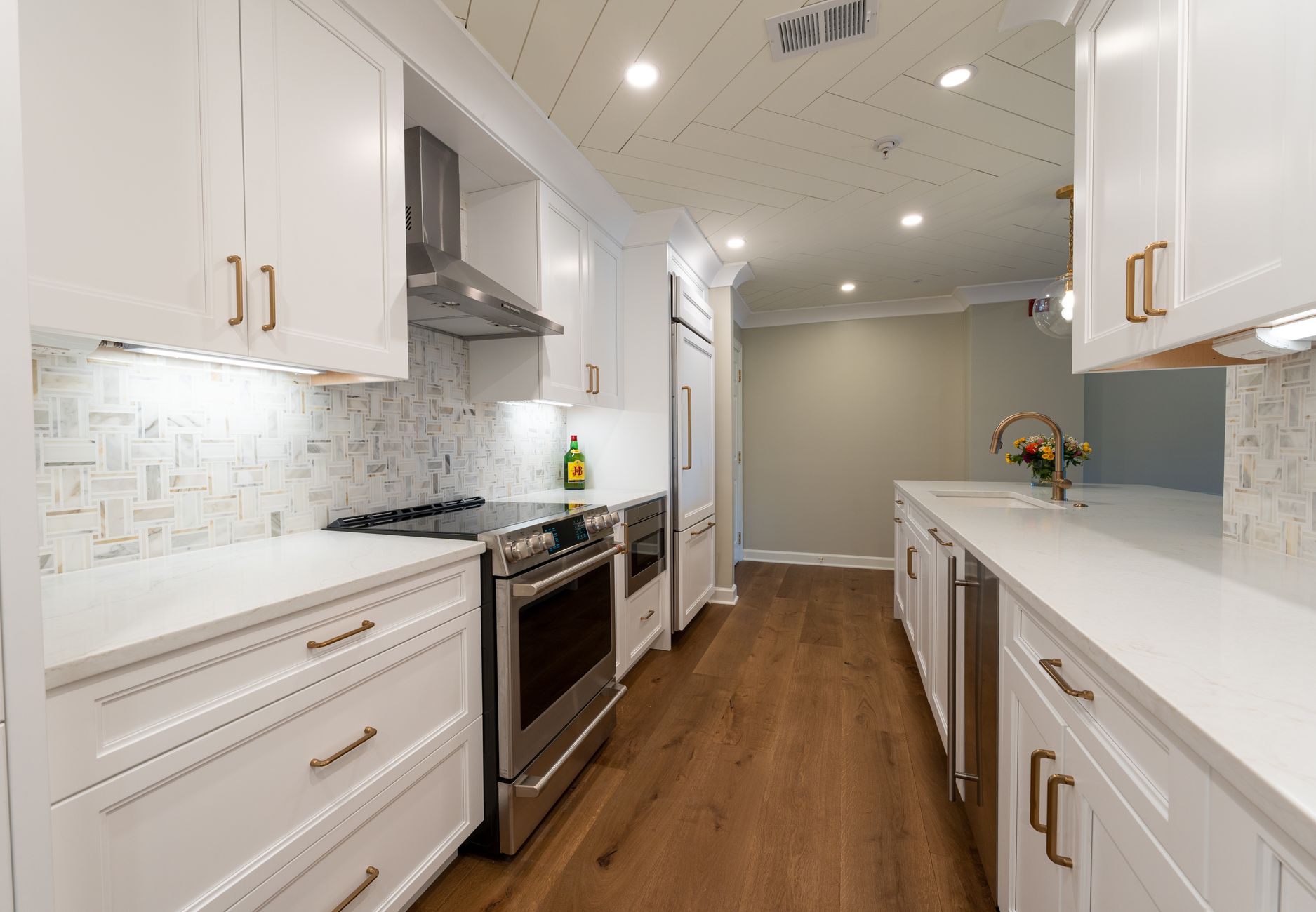
residential kitchen renovation

12 Essential Questions Before Hiring Your Tucson Remodeling Contractor

Finding the right remodeling contractor in Tucson can make or break your renovation project. You’re about to invest thousands of dollars and trust someone with your home for weeks or months. The wrong choice could leave you with unfinished work, budget overruns, or worse, structural damage that voids your homeowner’s insurance.

To find a reliable kitchen contractor in Tucson, verify their Arizona ROC license, ask for proof of general liability insurance, check references from the past six months, and confirm they’ve been in business for at least five years. Request detailed written estimates and never pay more than 30% upfront.

These 12 questions will help you separate established professionals from risky operators who might disappear mid-project.

Critical License and Insurance Questions

Arizona requires all contractors performing work over $1,000 to hold a Registrar of Contractors (ROC) license. This isn’t just paperwork. It’s your first line of defense against fraud.

1. What’s Your ROC License Number?

Every legitimate contractor should provide their ROC number immediately. Verify it on the Arizona ROC website before signing anything. Check that the license is active, matches the business name exactly, and covers residential remodeling (not just commercial work).

Pro Remodeling, for example, has maintained continuous ROC licensing since 1971. That’s 55 years of verified compliance. Contractors who hesitate or claim they’re “getting it renewed” are red flags.

2. Do You Carry Both General Liability and Workers’ Comp Insurance?

Request certificates of insurance directly from their carrier, not photocopies. General liability should be at least $1 million per occurrence. Workers’ compensation is mandatory in Arizona if they have even one employee.

Without proper coverage, you could be liable if a worker gets injured on your property. One fall from a ladder could cost you $50,000 or more in medical bills.

3. Are You Bonded, and What Does Your Bond Cover?

Arizona requires a minimum $9,000 contractor bond, but established firms often carry $25,000 or more. The bond protects you if the contractor violates building codes or abandons the project. Ask specifically what scenarios trigger bond claims.

Questions About Experience and Specialization

Not all remodelers are created equal. A contractor who excels at bathroom remodeling for seniors might struggle with a complex kitchen renovation.

4. How Many Kitchen Projects Have You Completed in Tucson in the Past Year?

Look for contractors who’ve done at least 10-15 kitchen remodels locally in the past 12 months. This ensures they understand local building codes, have relationships with suppliers, and know which materials hold up in our desert climate.

Ask to see photos of completed projects similar in scope to yours. If you’re planning a $40,000 kitchen renovation, seeing photos of $10,000 bathroom updates won’t tell you much.

5. Which Specific Kitchen Brands Do You Work With?

Experienced contractors have established relationships with cabinet manufacturers, countertop fabricators, and appliance dealers. They should name specific brands without hesitation. If they’re vague about suppliers, they might be planning to source materials from big-box stores, which often means lower quality and limited warranties.

Understanding material options is crucial. Learn about choosing kitchen cabinets that last in Arizona’s dry climate before making selections.

Timeline and Project Management Questions

Delays cost money. Every extra week your kitchen is torn apart means more takeout meals, more stress, and potentially more labor costs.

6. What’s Your Realistic Timeline, and What Could Cause Delays?

A full kitchen remodel typically takes 6-12 weeks, depending on scope. Contractors who promise three weeks for a complete gut renovation are either lying or planning to cut corners.

Ask about their current workload. If they’re juggling 15 projects, yours won’t get proper attention. Request a written timeline with specific milestones: demo completion, rough-in inspections, cabinet installation, final walkthrough.

7. Who’s the On-Site Project Manager, and How Often Will They Be Present?

You need one person accountable for daily progress. Large companies might assign a dedicated project manager. Smaller firms might have the owner oversee directly. Either works, but someone should be on-site at least every other day.

Get their cell phone number. If you discover workers installed the wrong tile at 2 PM on a Tuesday, you can’t wait three days for a callback.

How Do You Handle Changes and Payment Schedules?

Money conversations are uncomfortable but essential. Clear payment terms protect both parties.

8. What’s Your Payment Schedule?

Never pay more than 30% upfront. Arizona law actually limits deposits to $1,000 or 10% of the total project cost (whichever is less) for most residential projects. Legitimate contractors understand cash flow and won’t demand huge upfront payments.

A typical schedule might look like: 30% at signing, 30% when cabinets arrive, 30% after installation, 10% at completion. Avoid contractors who want 50% or more before starting work.

9. How Do You Handle Change Orders?

Changes happen. You might decide to upgrade countertops or add under-cabinet lighting mid-project. Get the change order process in writing. How much notice do they need? Will changes delay completion? Are there markup fees on materials?

Reputable contractors provide detailed change orders showing exact cost differences. If adding a tile backsplash costs $2,000, you should see itemized costs for materials, labor, and any schedule impacts.

What Happens With Subcontractors and Warranties?

Most remodelers use subcontractors for specialized work like electrical and plumbing. This is normal, but you need to know who’s in your home.

10. Which Tasks Will You Subcontract, and Are Those Subs Licensed?

Electrical and plumbing work requires separate licenses in Arizona. Ask for subcontractor names and license numbers. Verify them independently. If the general contractor hesitates to share this information, they might be using unlicensed workers to cut costs.

Also ask about lien waivers. If the general contractor doesn’t pay subcontractors, those subs can place liens on your property. Professional contractors provide lien waivers from all subcontractors and suppliers.

11. What Warranties Do You Provide on Labor and Materials?

Minimum acceptable warranty is one year on labor, but established companies often offer 2-5 years. Materials should carry manufacturer warranties (lifetime for quality cabinets, 10-15 years for appliances).

Get warranty terms in writing. What’s covered? What voids coverage? How quickly will they respond to warranty calls? A company in business since 1971 will still be around to honor warranties. A contractor who started last month might not.

12. Can You Provide References From the Past Six Months?

Recent references matter more than projects from three years ago. Ask for at least three references with similar project scopes. When you call, ask specific questions: Did they stay on schedule? How did they handle problems? Would you hire them again?

Also check online reviews, but focus on patterns rather than individual complaints. Every contractor has a bad day. If multiple reviews mention the same issues (poor communication, surprise costs, missed deadlines), believe them.

Warning Signs of Unreliable Contractors

Some red flags should send you running immediately:

  • Door-to-door solicitation after storms (classic scammer move)
  • Pressure to “sign today for a special price”
  • No physical business address (just a P.O. box)
  • Only accepts cash payments
  • Refuses to provide written estimates
  • Claims permits aren’t necessary
  • Unusually low bids (30%+ below others)

Trust your instincts. If something feels off during the initial consultation, it won’t improve during a stressful renovation.

Frequently Asked Questions

Should I get multiple bids for my remodeling project?

Yes, get at least three detailed bids. This helps you understand fair market pricing and compare different approaches. However, don’t automatically choose the lowest bid. Factor in experience, warranties, and your comfort level with each contractor.

Do I need permits for kitchen remodeling in Tucson?

Most kitchen remodels require permits, especially if you’re moving plumbing, updating electrical, or changing the structure. Permits typically cost $500-2,000 depending on scope. Professional contractors handle permit applications as part of their service. Anyone who suggests skipping permits is risking your home’s safety and resale value.

How can I verify a contractor’s past work quality?

Beyond references, ask to visit a current job site or recently completed project. Check the Better Business Bureau for complaint history. Search court records for lawsuits. Drive by their business address to confirm it exists. Google the owner’s name with words like “lawsuit” or “complaint” to uncover potential issues.

What should be included in a remodeling contract?

Your contract should specify materials (brand, model, color), timeline with milestones, payment schedule, change order process, warranty terms, and who handles permit applications. It should also clarify who’s responsible for protecting existing floors and furniture during work. Never sign a contract with blanks or vague language like “or equivalent” for materials.

How Local Experience Makes a Difference

Tucson’s climate creates unique challenges for home remodeling. Our temperature swings can be 40 degrees in a single day. Monsoon humidity followed by bone-dry conditions tests every material.

Contractors who’ve worked here for decades understand these challenges. They know which cabinet finishes resist warping, which adhesives hold up in heat, and how to properly seal against dust storms. This knowledge prevents expensive problems down the road.

Consider how Tucson’s desert climate impacts remodeling projects when evaluating contractor proposals.

Making Your Final Decision

After asking these questions, you should have enough information to make an informed choice. Compare responses across contractors. Who provided the most detailed answers? Who seemed most knowledgeable about local requirements? Who made you feel confident about the process?

Price matters, but it shouldn’t be everything. The cheapest bid often becomes the most expensive project after change orders, delays, and fixes. Focus on value: fair pricing from an established company with proper insurance, clear communication, and a track record you can verify.

Remember that certain kitchen upgrades provide better ROI than others. A skilled contractor will help you allocate your budget wisely.

Quality contractors are often booked 6-12 weeks out. If someone can start tomorrow, ask yourself why they don’t have other work. The best professionals, like those who’ve served Tucson since 1971, maintain steady workloads because homeowners trust them.

Ready to transform your kitchen with a contractor you can trust? Pro Remodeling has been answering these questions for Tucson homeowners for over 50 years. Contact us for a detailed consultation where we’ll provide our ROC license, insurance certificates, and references upfront. We believe informed homeowners make the best clients.

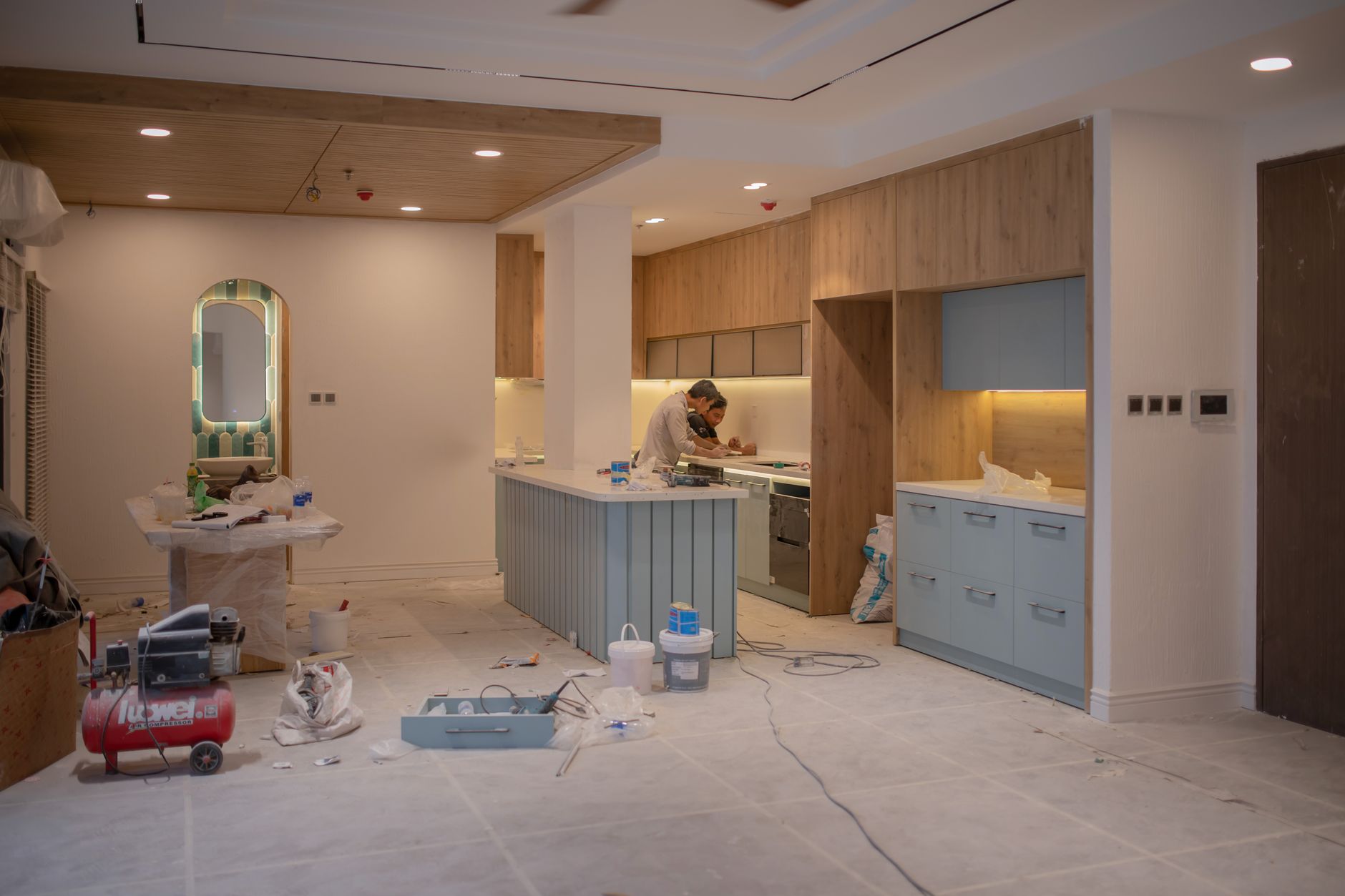
A modern, bright kitchen renovation in progress showing half-completed cabinet refacing with new white shaker-style doors

Which Kitchen Upgrades Give You the Best Return on Investment?

You’re standing in your Tucson kitchen, mentally tallying the cost of that cabinet refresh against what you’ll actually recoup when you sell. Smart thinking. What adds the most value to a kitchen isn’t always the flashiest upgrade, and Arizona homeowners face unique challenges that affect which improvements pay off.

Kitchen upgrades typically return 52% to 80% of your investment, with minor refreshes often outperforming gut renovations. Cabinet refacing delivers 72% ROI while costing a fraction of full replacement. Updated appliances return 71%, and countertop upgrades average 68% payback when selling.

Which Kitchen Upgrades Deliver the Highest ROI in 2026?

Not all kitchen improvements are created equal, especially in Arizona’s real estate market. Recent National Association of Realtors data shows that strategic updates beat complete overhauls for return on investment.

Cabinet refacing tops the list at 72% ROI, costing $8,000 to $12,000 versus $25,000+ for replacement. This makes particular sense in Tucson, where choosing cabinets that withstand Arizona’s dry climate requires careful material selection. Solid wood doors with proper sealing resist warping better than laminate options in our low-humidity environment.

Energy-efficient appliance packages averaging $4,500 to $8,000 return 71% while cutting utility bills by $200 to $400 annually. In Tucson’s 100+ degree summers, ENERGY STAR certified refrigerators and dishwashers appeal strongly to buyers who understand cooling costs.

Quartz countertops at $75 to $125 per square foot deliver 68% ROI and solve a specific desert problem. Unlike granite, quartz doesn’t require annual sealing against our intense UV exposure. Local fabricators report quartz installations have jumped 40% since 2023.

How Do Minor Kitchen Updates Compare to Major Renovations?

The 2026 Cost vs. Value Report reveals something counterintuitive: minor kitchen remodels averaging $28,000 return 72% ROI, while major renovations costing $80,000+ return just 53%. This gap has widened since 2024 as buyers prioritize move-in ready homes over customization potential.

Tucson kitchen remodel costs follow this pattern. A minor refresh includes cabinet refacing, new hardware, upgraded sink and faucet, fresh backsplash tile, and one new appliance. Total investment: $22,000 to $35,000 with 70% to 75% typical return.

Major gut renovations involving layout changes, custom cabinetry, and premium finishes struggle to recoup costs unless your home sits in the Catalina Foothills or Dove Mountain where luxury expectations differ. Even there, returns rarely exceed 60%.

The sweet spot? Mid-range updates focusing on functionality over luxury. Think soft-close drawers instead of custom pull-outs, quality laminate counters instead of exotic stone, and standard-depth refrigerators over built-in models.

Smart Storage Solutions That Buyers Notice

Organizational improvements cost less than $2,000 but dramatically impact buyer perception. Pull-out trash bins ($150 to $300), drawer dividers ($200 to $500), and pantry organization systems ($500 to $1,200) consistently appear on buyer wish lists.

Corner cabinet solutions like lazy Susans or magic corners transform dead space into functional storage. At $400 to $800 installed, these updates address the number one kitchen complaint: insufficient accessible storage.

What Kitchen Features Do Arizona Buyers Value Most?

Desert climate creates specific buyer priorities absent from national surveys. Tucson’s climate considerations influence material choices and feature preferences throughout kitchen design.

Heat-resistant materials rank high. Porcelain tile backsplashes withstand temperature swings better than natural stone. Solid surface counters resist thermal shock from hot pans better than laminate. These durability factors translate directly to perceived value.

Indoor-outdoor connectivity matters more here than in most markets. Kitchen windows facing covered patios, pass-through windows to outdoor cooking areas, and sight lines to pools add measurable value. Homes with this connection sell 18 days faster according to Tucson Association of Realtors data.

Water efficiency features resonate strongly. Low-flow faucets, water-filtering systems, and dishwashers using under 4 gallons per cycle appeal to conservation-minded buyers aware of regional water challenges.

Desert-Specific Material Considerations

UV resistance affects every surface choice. Cabinet finishes fade unevenly near windows without proper UV-blocking treatments. Desert modern kitchen designs incorporate materials engineered for extreme sun exposure.

Thermal mass materials like concrete counters or tile floors help regulate indoor temperatures naturally. While not traditional choices, these materials reduce cooling costs and appeal to environmentally conscious buyers.

How Much Should You Spend on Kitchen Updates?

The 10% rule provides a baseline: invest no more than 10% of your home’s value in kitchen improvements if selling within five years. For a $400,000 Tucson home, that’s a $40,000 maximum budget.

However, neighborhood comparables matter more than formulas. Research recent sales in your ZIP code using Zillow’s home value data to understand local ceiling prices. Overimproving beyond neighborhood norms rarely pays off.

Timing affects budget decisions too. Updates completed within two years of selling return highest percentages. Renovations older than five years lose appeal as styles change and wear becomes visible. Avoiding costly kitchen remodel mistakes means matching investment level to your timeline.

Consider phased approaches for tight budgets. Year one: paint cabinets and replace hardware ($2,000). Year two: new countertops and backsplash ($6,000). Year three: appliance package ($5,000). This spreads costs while maintaining home value.

Frequently Asked Questions

What single kitchen upgrade adds the most value?

Cabinet refacing consistently delivers the highest ROI at 72%, costing $8,000 to $12,000 while making the biggest visual impact. Fresh cabinet faces with new doors and drawer fronts transform the entire space without demolition costs.

Do high-end appliances increase home value?

Premium appliances return only 57% of cost versus 71% for mid-range models. Buyers value reliability and energy efficiency over luxury brands. Stainless steel finish matters more than prestigious labels for most price points.

Should I change my kitchen layout for better resale value?

Layout changes rarely justify their cost unless fixing obvious dysfunction. Moving plumbing and electrical adds $10,000+ without proportional value increase. Focus on maximizing existing layout through better storage and traffic flow.

How important are matching appliances?

Extremely important. Mismatched appliances reduce perceived value by 5% to 8% according to appraiser surveys. Budget for complete packages rather than piecemeal replacement when possible.

What countertop material offers best ROI in Arizona?

Quartz provides optimal return at 68% ROI due to zero maintenance requirements and UV resistance. Granite follows at 64% but requires annual sealing. Avoid materials like butcher block that struggle with low humidity.

Making Smart Kitchen Investment Decisions

Your kitchen upgrade strategy should align with both timeline and neighborhood dynamics. Quick sales benefit from cosmetic refreshes focusing on cleanliness and brightness. Longer ownership periods justify deeper investments in quality and functionality.

Track local market trends through National Association of Realtors research and adjust expectations accordingly. Rising interest rates in 2026 mean buyers scrutinize value more carefully than during the 2021 boom.

Remember that what adds the most value to a kitchen depends on execution quality as much as material choice. Professional installation beats DIY for complex projects like countertops or cabinet refacing. Poor workmanship undermines even premium materials.

Ready to maximize your kitchen’s value with strategic updates that work for Tucson’s unique market? Pro Remodeling’s kitchen renovation team specializes in high-ROI improvements tailored to desert homes. Contact us for a consultation that analyzes your specific property and provides realistic ROI projections based on recent neighborhood sales data.

A split-screen interior photo showing a modern renovated bathroom with white quartz countertops and glass shower on the left

Kitchen or Bathroom Remodel: Which Investment Delivers Better Returns?

If you’re sitting on a remodeling budget and wondering whether to upgrade your kitchen or bathroom first, you’re asking the right question. Both renovations can transform your home and boost its value, but understanding which delivers better bathroom vs kitchen remodel ROI makes the difference between a smart investment and an expensive mistake.

Here’s the straightforward answer: bathroom remodels typically return 60-70% of your investment, while kitchen remodels average 52-67% ROI. However, your specific return depends on your home’s current condition, the Arizona real estate market, and whether you’re selling soon or staying put.

ROI Breakdown: Kitchen vs Bathroom Renovations by the Numbers

Let’s start with what the 2024 Remodeling Cost vs. Value Report tells us about national averages, then adjust for Arizona’s unique market.

Bathroom Remodel Returns

A midrange bathroom remodel costing $24,600 typically recoups $16,400 at resale (66.7% ROI). Minor bathroom updates averaging $6,500 can return $4,700 (72% ROI). These numbers jump higher in competitive Arizona markets where updated bathrooms are expected, not optional.

In Tucson specifically, bathroom renovations addressing water efficiency and heat-resistant materials often see 5-8% higher returns than the national average. Buyers here value dual-flush toilets, low-flow fixtures, and ventilation systems that combat our dry climate.

Kitchen Remodel Returns

Minor kitchen remodels averaging $28,900 nationally return about $24,500 (85% ROI) when focused on cabinet refacing, new countertops, and updated appliances. Major overhauls costing $80,000+ typically recoup just 49-54% immediately, though they dramatically improve daily living quality.

Arizona kitchens face unique challenges from intense UV exposure and temperature swings. Choosing cabinets that withstand Arizona’s dry climate and investing in quality window treatments often adds 10-15% to project costs but protects your investment long-term.

Which Remodel Should You Choose First?

Your timeline matters more than generic ROI percentages. Planning to sell within two years? Focus on the space that needs the most work or looks most dated compared to neighborhood standards.

Staying five years or longer? Consider your daily pain points. A dysfunctional kitchen you use three times daily impacts quality of life more than a dated powder room guests see occasionally. Long-term owners typically see better returns from kitchen remodels in Tucson since they enjoy the improvements while building equity.

Market-Specific Factors for Arizona Homeowners

Tucson’s real estate market rewards specific upgrades differently than Phoenix or Flagstaff. Homes under $400,000 see strongest returns from bathroom additions or converting half-baths to full. Properties above $600,000 benefit more from gourmet kitchen upgrades matching neighborhood expectations.

Desert climate considerations also affect ROI. Bathroom exhaust fans rated for extreme temperatures, kitchen backsplashes that resist fading, and flooring that handles expansion from temperature swings all cost more upfront but prevent expensive repairs. Check our guide on desert climate considerations for remodeling projects before finalizing material choices.

Cost Comparison: Real Arizona Project Numbers

Based on 2024 Tucson contractor quotes, here’s what homeowners actually spend:

Bathroom Remodels:

  • Powder room refresh: $4,000-$7,000
  • Full bathroom update (keeping layout): $12,000-$18,000
  • Master bathroom renovation: $25,000-$45,000
  • Bathroom addition: $35,000-$65,000

Kitchen Remodels:

  • Cabinet refacing with new countertops: $15,000-$25,000
  • Full kitchen update (keeping layout): $35,000-$55,000
  • Complete kitchen renovation: $65,000-$100,000
  • Luxury kitchen transformation: $100,000+

Labor costs in Arizona run 35-40% of total project budgets, slightly below coastal markets. Material costs, however, spike during summer construction season when demand peaks.

Maximizing Your Renovation ROI

Smart Bathroom Upgrades

Focus spending where buyers notice most: vanities, fixtures, and tile. A $3,000 vanity upgrade with quartz countertop often returns more than $8,000 in fancy tilework hidden behind a shower door. Choosing the right sink style for your space maximizes both function and appeal.

Skip the jetted tub unless you’re in a luxury market. Most Tucson buyers prefer walk-in showers over tubs, especially in master bathrooms. Zero-entry showers also appeal to aging-in-place buyers, expanding your potential market.

Strategic Kitchen Investments

Cabinet refacing beats full replacement when boxes are structurally sound, saving 40-50% while delivering 80% of the visual impact. Combine this with new hardware, under-cabinet lighting, and a tile backsplash for maximum transformation per dollar.

Avoid these costly kitchen remodeling mistakes: overbuilding for your neighborhood, choosing trendy finishes over timeless ones, and moving plumbing without necessity. Each adds thousands without proportional value return.

Frequently Asked Questions

Should I remodel my kitchen or bathroom first if I’m doing both eventually?

Start with the bathroom if you only have one full bath, as living without a functional bathroom during renovation is nearly impossible. Otherwise, tackle the kitchen first since it’s the longer, more disruptive project. Completing it first lets you enjoy the upgrade while planning the bathroom.

How much value does a bathroom remodel add in Arizona?

A midrange bathroom remodel in Arizona typically adds $18,000-$22,000 in home value for a $25,000 investment. Luxury upgrades in high-end neighborhoods can add $35,000-$40,000 in value, though the percentage ROI decreases as project scope increases.

What’s the minimum budget for a worthwhile kitchen remodel?

Plan at least $20,000 for meaningful kitchen improvements that affect resale value. Anything less limits you to cosmetic updates like paint and hardware. While these refresh the space, they don’t command premium prices from buyers who can do such updates themselves.

Do permits affect remodeling ROI in Tucson?

Absolutely. Unpermitted work can’t be included in your home’s official square footage or feature list, killing potential ROI. Buyers often demand credits for unpermitted improvements, fearing future code violations. Always pull permits for electrical, plumbing, and structural changes.

Special Considerations for Arizona’s Climate

Our desert environment creates unique remodeling challenges that affect long-term ROI. Kitchen appliances work harder in heat, shortening lifespans. Choose Energy Star models rated for extreme temperatures. Kitchen flooring trends matter less than durability here, where tile outperforms hardwood despite lower national ROI figures.

Bathroom ventilation proves critical in Arizona, despite our low humidity. Poor ventilation causes temperature-related material degradation, not just moisture damage. Invest in properly sized exhaust fans with dedicated switches, not just combo light-fan units that nobody uses correctly.

According to the U.S. Department of Energy, proper window treatments and ventilation can reduce cooling costs by 25% in hot climates, adding unexpected value to kitchen and bathroom renovations that address these factors.

Making Your Final Decision

Stop searching for universal answers about which remodel adds more value. Your specific situation determines the right choice. Analyze your home’s current condition, neighborhood comparables, and personal timeline. A dated 1990s bathroom hurts resale value more than original 1990s kitchen cabinets if neighboring homes have updated bathrooms but mixed kitchen conditions.

Consider phased approaches too. Starting with a small kitchen remodel focusing on space optimization lets you test contractor relationships and refine your style preferences before committing to major renovations.

The National Association of Home Builders reports that kitchen and bathroom updates remain the top two features buyers seek, regardless of market conditions. You can’t go wrong with either if you plan carefully and avoid overbuilding.

Ready to Start Your Remodeling Journey?

Whether you choose a kitchen or bathroom remodel first, success depends on working with contractors who understand Arizona’s unique building challenges and buyer preferences. Kitchen or bathroom remodel first becomes less important than choosing the right team and materials for our desert climate.

Pro Remodeling specializes in both kitchen and bathroom renovations designed specifically for Tucson homes. We’ll analyze your property, discuss your timeline, and recommend the renovation strategy that maximizes your home renovation ROI comparison. Contact us today for a free consultation and detailed ROI projection for your specific remodeling goals.

Related post
https://www.pro-remodeling.com/in-what-order-should-i-remodel-my-house/

Is it Cheaper to Remodel or Build a New House?

A Guide To Bathroom Remodeling for Seniors