loader image
Skip to main content
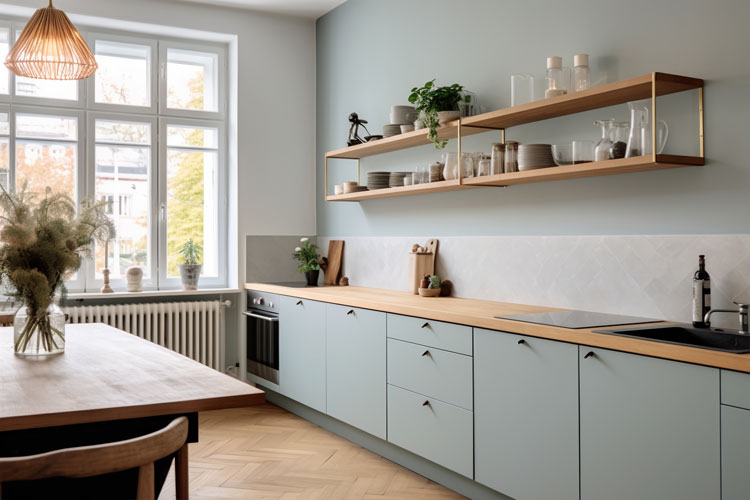
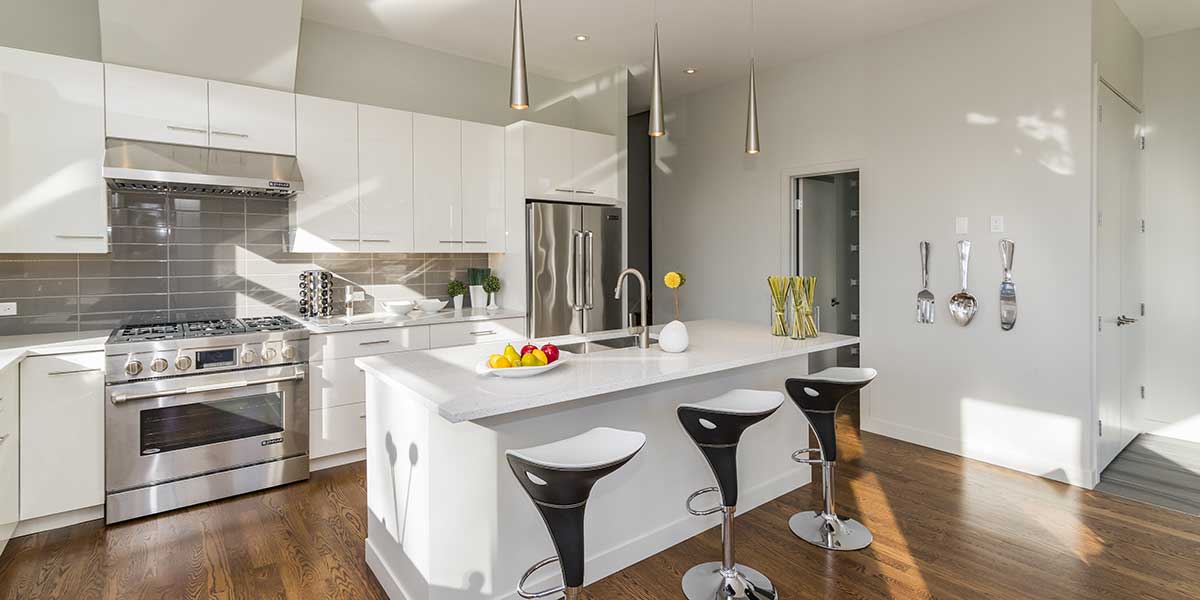
modern kitchen

Desert Modern Kitchen Design: Blending Southwest Style with Contemporary Trends

Tucson’s unique desert landscape inspires a distinctive kitchen aesthetic that honors Southwestern heritage while embracing contemporary functionality. Desert modern design captures the essence of Arizona living—warm earth tones meeting clean lines, natural textures balancing sleek surfaces, and indoor spaces flowing seamlessly to outdoor entertaining areas.

This design philosophy transforms kitchens into spaces that feel authentically connected to their desert surroundings while incorporating modern conveniences and current design trends. Whether you’re planning a complete kitchen remodel in Tucson or refreshing your existing space, understanding how to blend traditional Southwest elements with contemporary aesthetics creates kitchens that feel both timeless and current.

Understanding Desert Modern Aesthetics

Desert modern design emerged from mid-century modernism and blended with Southwestern architectural traditions. This style emphasizes horizontal lines that reflect desert horizons, large windows that frame mountain views, and natural materials that echo the surrounding landscape. Unlike purely contemporary kitchens that might feel cold or sterile, desert modern spaces maintain warmth through carefully selected textures, colors, and materials.

The aesthetic balances minimalist principles with organic elements. Clean-lined cabinetry pairs with rustic wood beams. Smooth quartz countertops contrast against handmade tile backsplashes. Sleek stainless appliances complement warm terracotta flooring. This juxtaposition creates visual interest while maintaining the uncluttered feel characteristic of modern design.

Successful desert modern kitchens avoid overly themed Southwest decorating that can feel dated or kitschy. Instead, they incorporate authentic materials and subtle color references that connect to the desert environment without overwhelming the space with obvious motifs or excessive ornamentation.

Color Palettes Inspired by the Sonoran Desert

Desert modern color schemes draw directly from Tucson’s natural surroundings. Warm neutrals form the foundation—sandy beiges, soft taupes, warm grays, and creamy whites reflecting desert light. These base colors create serene backdrops that won’t compete with Arizona’s dramatic views through kitchen windows.

Accent colors reference specific desert elements. Sage green recalls native vegetation, terracotta orange evokes sunset skies, dusty blue mirrors distant mountain ranges, and ochre yellow suggests desert wildflowers after monsoon rains. These colors appear in smaller doses through tile selections, cabinet paint, or decorative elements rather than dominating entire surfaces.

Contemporary desert kitchens increasingly feature two-tone cabinetry combining these color families. Light upper cabinets in warm white or cream pair with darker islands in sage, navy, or natural walnut. This approach adds visual depth while maintaining the airy feel essential to desert modern aesthetics. The contrast creates focal points without requiring bold patterns that might date quickly.

Natural wood tones have returned strongly to kitchen design, perfectly aligning with desert modern principles. Medium- to light-oak, walnut, and pecan cabinets bring organic warmth while reading as contemporary rather than traditional. These woods age gracefully in Arizona’s climate when properly sealed, developing character that enhances rather than diminishes their appeal.

Natural Materials That Define the Style

Stone countertops anchor desert modern kitchens with authentic Southwestern character. Locally-sourced options like Arizona flagstone or regional granite connect directly to the landscape. Quartz engineered stone in warm neutrals or subtle veining patterns offers similar aesthetics with lower maintenance requirements, making it well-suited to busy modern lifestyles.

Concrete countertops deliver an industrial-meets-organic appeal, particularly appropriate for desert modern design. Their natural color variations, matte finish, and substantial presence complement both rustic and contemporary elements. Sealed properly, concrete performs exceptionally well in Tucson’s dry climate while offering customization possibilities through integral color, aggregate choices, or textured finishes.

Backsplashes provide opportunities for textural interest without overwhelming spaces. Handmade zellige tiles from Morocco align perfectly with desert-modern aesthetics—their irregular surfaces catch desert light beautifully while their glazed finish adds practicality. Natural stone mosaics, stacked stone ledgers, or large-format porcelain mimicking sandstone create depth while referencing desert geology.

Flooring choices significantly impact the authenticity of desert modern design. Wide-plank wood flooring in lighter tones creates warmth underfoot while maintaining contemporary sensibilities. Polished concrete delivers both modern edge and desert-appropriate thermal mass. Large-format porcelain tiles mimicking natural stone or travertine combine durability with organic appearance, performing well in interior remodeling in Tucson where temperature control matters.

Contemporary Elements Meeting Traditional Craftsmanship

Modern functionality doesn’t require abandoning traditional craft. Desert modern kitchens successfully integrate handmade elements that reference regional artisan traditions. Custom tile work, hand-forged hardware, or locally-crafted wood elements add soul without feeling overly decorated or precious.

Cabinet construction benefits from both modern engineering and traditional joinery. Frameless European-style cabinets deliver clean, contemporary lines, while solid-wood construction honors craftsmanship values. Shaker-style doors with minimal ornamentation bridge traditional and modern aesthetics, working equally well painted in contemporary colors or finished to showcase natural wood grain.

Hardware selections significantly influence whether kitchens read traditional or contemporary. Sleek bar pulls in matte black or brushed brass maintain modern sensibility while offering timeless appeal. Mixed-metal finishes—perhaps brass cabinet hardware with matte-black plumbing fixtures—add a sophisticated layering without feeling chaotic. Leather drawer pulls or hammered metal details inject subtle Southwestern character.

Open shelving balances contemporary display aesthetics with traditional Southwest emphasis on handcrafted objects. Floating shelves in natural wood or iron brackets showcase pottery, woven baskets, or copper pieces that reference regional craft traditions while maintaining uncluttered modern profiles.

Architectural Features That Enhance Desert Connection

Ceiling treatments dramatically impact the desert modern character. Exposed wood beams in natural finish or whitewashed treatments reference traditional construction while adding architectural interest. Vaulted ceilings increase volume and light, both essential to desert modern aesthetics. Skylights or clerestory windows amplify natural light, reducing the need for artificial lighting in sunny Tucson.

Window design determines how successfully kitchens connect to their desert surroundings. Large windows or sliding glass doors blur interior-exterior boundaries, particularly important where kitchens open to covered patios or outdoor entertaining spaces. Steel-framed windows or doors deliver a modern industrial edge while maximizing views. Deep window sills create casual seating or display opportunities.

Kitchen islands have evolved into multifunctional gathering spaces central to modern desert living. Substantial islands with waterfall edges in concrete or thick wood slabs make bold contemporary statements. Incorporating different materials—perhaps a wood prep surface within stone surrounds—adds visual interest while serving practical purposes. Extended counters accommodate casual dining, particularly relevant in Tucson’s social, indoor-outdoor lifestyle.

Lighting layers create atmosphere while honoring desert modern principles. Oversized pendants in natural materials like rattan, wood, or hammered metal reference Southwestern craft while reading as contemporary. Recessed lighting maintains clean ceilings. Under-cabinet LEDs provide task illumination. Natural light remains the priority, with artificial sources enhancing rather than competing.

Incorporating Modern Technology Seamlessly

Smart appliances integrate seamlessly into desert-modern kitchens without dominating the aesthetics. Panel-ready refrigerators disappear behind cabinetry, maintaining clean lines. Induction cooktops deliver modern performance in sleek glass surfaces that clean easily in dusty desert environments. Drawer-style dishwashers or models with custom panels blend seamlessly.

Ventilation solutions balance performance with design. Contemporary range hoods in stainless steel, copper, or custom plaster integrate architectural character while handling Tucson’s intense cooking needs. Island hoods suspended from beams or ceilings become sculptural elements. Downdraft systems offer alternatives where overhead options disrupt sight lines or architectural features.

Technology extends beyond appliances into infrastructure. Charging stations integrated into island ends or cabinet interiors maintain clean surfaces. Smart home controls for lighting, temperature, and entertainment hide within drawers or behind cabinet doors. These modern necessities serve without detracting from desert modern aesthetics.

Creating Indoor-Outdoor Flow

Tucson’s climate demands kitchen designs that embrace outdoor living. Large pocket doors or lift-and-slide systems eliminate barriers between the kitchen and patio areas. Pass-through windows with exterior counters facilitate outdoor entertaining. Material continuity—perhaps extending flooring from the interior to the covered patio—reinforces the connection.

Outdoor kitchen integration reflects desert modern priorities. Built-in grills, refrigeration, and prep areas extend cooking capabilities while maintaining design coherence. Materials selected for weather resistance still honor desert aesthetics—stainless steel, stone, and sealed wood perform beautifully outdoors while matching interior selections.

Covered patio spaces function as extensions of kitchen square footage in Tucson’s mild winters and shade-dependent summers. Designing these areas simultaneously with interior kitchens ensures cohesive flow, proper placement of utilities, and material coordination. Professional general contractors in Tucson, experienced in desert-modern projects, understand the structural requirements for these integrated spaces.

Sustainable Choices Aligned with Desert Living

Water-conservation consciousness influences modern design choices in the desert. Low-flow faucets with modern aesthetics serve environmental and practical purposes in drought-conscious Arizona. Touchless technology reduces water waste. Instant hot water systems eliminate the need to run taps while waiting for the water to heat up.

Energy efficiency aligns perfectly with desert modern principles. LED lighting throughout reduces electrical consumption and heat generation—significant in Tucson summers. Energy Star appliances perform efficiently in challenging climate conditions. Proper insulation and window treatments modulate temperature without overwhelming contemporary aesthetics.

Material selections increasingly prioritize sustainability. Reclaimed wood for islands or shelving adds character while reducing environmental impact. Recycled glass countertops or tiles incorporate sustainability into finished surfaces. Locally-sourced materials minimize transportation impacts, support the regional economy, and ensure climate-appropriate choices.

Practical Considerations for Tucson’s Climate

Arizona’s intense sunlight requires planning. UV-protective finishes on cabinets near windows prevent fading and degradation. Window treatments balance natural light with heat management—cellular shades or exterior shutters control temperature without blocking views entirely. Strategic placement of work zones away from western exposure prevents afternoon heat concentration.

Dust management influences material and finish selections. Smooth surfaces clean more easily than heavily textured options. Sealed stone and glazed tile resist dust penetration better than porous materials. Cabinet hardware that minimizes grip points reduces dust accumulation. These practical concerns integrate seamlessly into desert-modern design when thoughtfully planned.

Temperature fluctuations, though moderate compared to other climates, still affect materials. Kitchen cabinets selected for Arizona’s dry climate perform better in the long term. Expansion joints in tile installations prevent cracking. Proper acclimation of wood elements before installation reduces movement issues. Experienced remodeling professionals understand these climate-specific requirements.

Bringing Desert Modern Vision to Reality

Successful desert modern kitchens require balancing numerous elements—color, texture, materials, architecture, and function. Working with design professionals familiar with Southwestern aesthetics and modern trends ensures cohesive results. They navigate material selections, proportion decisions, and the execution of details that distinguish authentic desert modern from superficial styling.

Budget allocation matters significantly. Investing in quality natural materials like stone and wood creates lasting beauty characteristic of desert modern design. Cabinetry represents the largest expense but defines overall aesthetic success. Prioritizing these foundational elements over trendy accessories ensures longevity.

Timeline considerations affect project planning. Custom elements like tile, cabinetry, or architectural features require extended lead times. Coordinating trades for structural modifications, utility work, and finish installation demands required experienced project management. Companies with an established Tucson presence understand local supplier networks and permitting processes.

Your kitchen transformation into desert modern excellence combines thoughtful design with quality execution. This style honors Tucson’s unique character while delivering contemporary functionality, creating spaces that feel authentically connected to place while serving modern lifestyles beautifully.

see also: https://www.pro-remodeling.com/how-much-does-it-cost-to-remodel-a-bathroom/
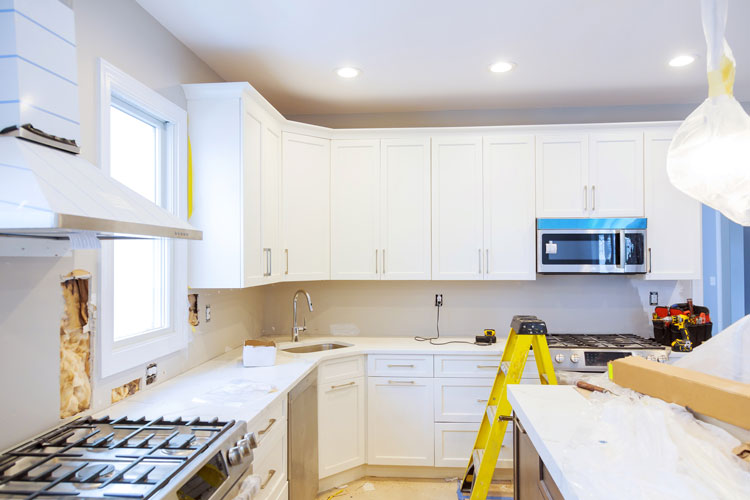
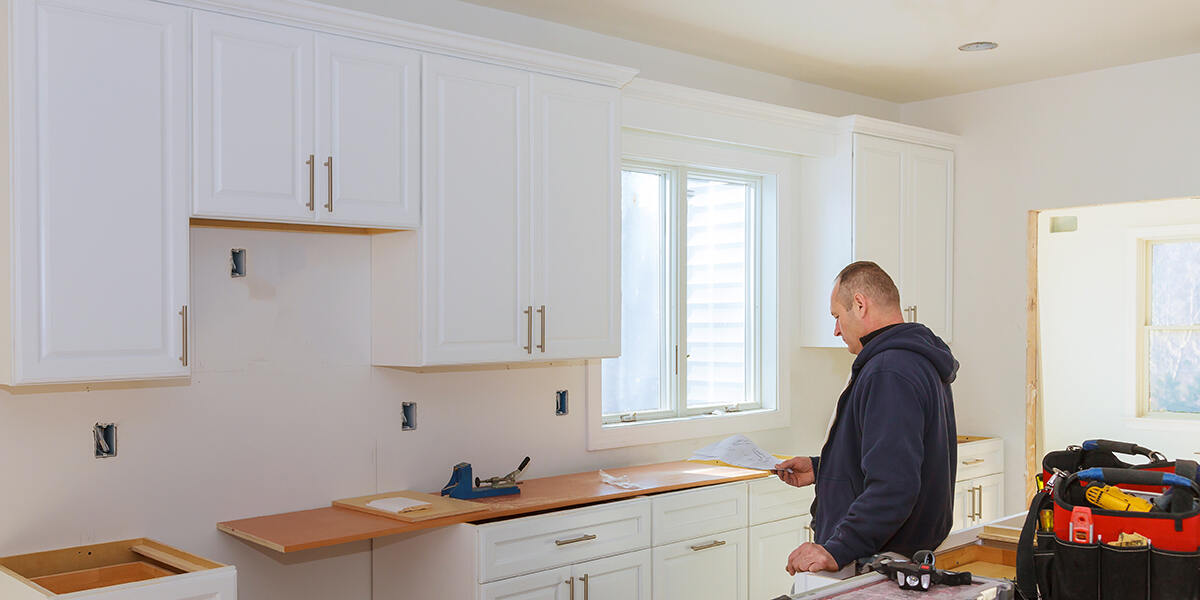
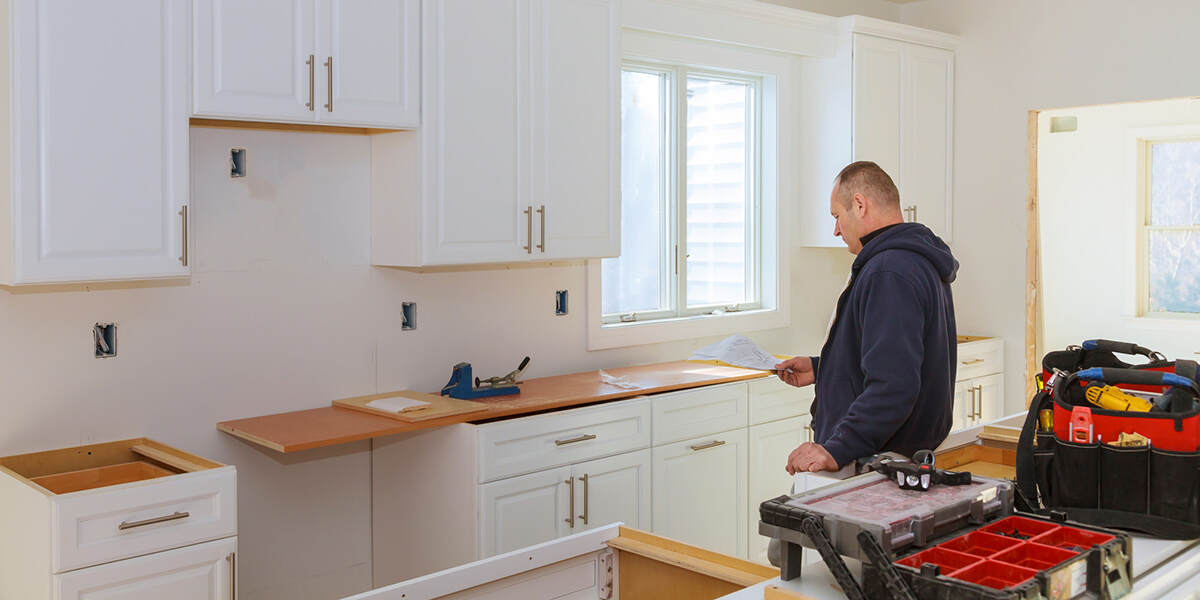
kitchen remodeling in process

How Much Does a Kitchen Remodel Cost in Tucson? 2026 Pricing Breakdown

Planning a kitchen renovation represents one of the most significant investments Tucson homeowners make in their properties. Whether you’re tired of outdated cabinets, dreaming of new countertops, or need a complete transformation, understanding realistic pricing helps you budget effectively and avoid financial surprises during construction.

Kitchen remodel costs in Tucson range from approximately $13,000 for basic updates to over $60,000 for luxury renovations, with most homeowners spending between $24,000 and $37,000 for mid-range projects. Your final investment depends on kitchen size, material quality, scope of work, and whether you’re keeping the existing layout or making structural changes.

This comprehensive pricing guide breaks down every cost component of Tucson kitchen remodeling, helping you understand where your money goes and how to allocate resources for maximum value and lasting satisfaction.

Understanding Tucson Kitchen Remodeling Investment Levels

Budget-Friendly Updates ($13,000-$20,000)

Basic kitchen remodels focus on cosmetic improvements without altering the existing footprint. These projects typically include cabinet refacing or painting, installing laminate countertops, basic appliance upgrades, installing new lighting fixtures, and fresh paint throughout the space.

Budget renovations deliver noticeable improvements while preserving structural elements that remain functional. Homeowners selecting this approach often tackle one major element, like cabinets, while updating other components with cost-effective materials. For smaller Tucson kitchens under 100 square feet, this budget range covers comprehensive updates without premium finishes.

Working within this range requires strategic prioritization. Cabinet refacing saves up to 50% compared to full replacement while delivering a dramatic visual transformation. Choosing stock cabinets over custom options, selecting tile or laminate countertops instead of natural stone, and retaining existing appliances when possible keep projects within budget constraints.

Mid-Range Renovations ($24,000-$45,000)

Most Tucson homeowners investing in kitchen remodels select mid-range projects that balance quality materials with reasonable costs. This tier includes semi-custom cabinetry, quartz or granite countertops, coordinated appliance packages, upgraded lighting with under-cabinet fixtures, new flooring throughout, and enhanced backsplash materials.

Mid-range renovations accommodate moderate layout adjustments, such as adding kitchen islands, reconfiguring cabinet layouts, or updating electrical and plumbing systems, without major relocations. These projects deliver substantial improvements in both aesthetics and functionality, positioning your kitchen among the top 25% in your neighborhood.

Professional general contractors in Tucson recommend this investment level for homeowners planning to remain in their properties long-term. The high-quality materials withstand daily use while maintaining appearance for decades, making the cost-per-year remarkably low compared to budget alternatives that require earlier replacement.

High-End Transformations ($45,000-$75,000+)

Luxury kitchen remodels feature custom cabinetry with specialized storage solutions, premium natural stone countertops, professional-grade appliances, custom tile or hardwood flooring, designer lighting fixtures, and high-end hardware throughout. These projects frequently include structural modifications, moving walls, relocating plumbing and gas lines, or adding square footage through room expansions.

High-end renovations in Tucson incorporate features such as pot-filler faucets, built-in espresso stations, warming drawers, wine refrigerators, and smart home technology integration. Custom elements designed specifically for your space ensure a perfect fit and optimal functionality tailored to your cooking style and entertaining needs.

Homeowners investing at this level typically allocate 10-15% of their home’s total value to kitchen improvements. For a $400,000 Tucson home, a $40,000-$60,000 kitchen renovation represents an appropriate proportional investment that enhances enjoyment while protecting resale value.

Component-by-Component Cost Breakdown

Cabinetry: Your Largest Single Expense

Kitchen cabinets typically account for 25-35% of total remodeling budgets, making them the most significant cost factor. Stock cabinets in Tucson start around $100-$200 per linear foot and offer limited sizes, standard depths, and basic finishes. These work well for straightforward layouts and budget-conscious projects.

Semi-custom cabinets range from $200 to $500 per linear foot, offering expanded size options, enhanced construction quality, additional finish selections, and moderate customization capabilities. This category represents the sweet spot for most Tucson homeowners, delivering quality and flexibility without the premium pricing of custom cabinets.

Fully custom cabinetry costs $500-$1,200 per linear foot, depending on wood species, construction methods, finish complexity, and specialty features. Custom options accommodate unusual spaces, integrate specialized storage solutions, and execute architectural design visions requiring precise dimensions. For average Tucson kitchens, complete cabinetry typically totals $10,000-$30,000, depending on kitchen size and customization level.

Countertops: Balancing Aesthetics and Durability

Countertop investments range from $1,500 for basic laminate to $7,000+ for premium materials in standard-sized Tucson kitchens. Laminate countertops cost $15-$40 per square foot installed and offer budget-friendly solutions with modern appearance options, though they lack the durability and prestige of stone surfaces.

Quartz countertops average $60-$100 per square foot and dominate mid-range Tucson kitchen remodels. Engineered quartz resists stains, requires no sealing, maintains a consistent appearance, and performs exceptionally well in Arizona’s climate. Granite countertops cost $50-$140 per square foot, depending on stone rarity, offering natural beauty with unique patterning that makes each installation distinctive.

Marble countertops command $75-$190 per square foot and deliver unmatched elegance, though they require regular sealing and careful maintenance in kitchen environments. Tucson homeowners frequently combine materials, using premium stone for visible island surfaces while selecting more economical options for perimeter countertops, optimizing both budget and visual impact.

Appliances: From Essential to Extraordinary

Standard four-piece appliance packages, including refrigerator, range, microwave, and dishwasher, start around $2,500 for basic models. Mid-grade stainless steel packages with enhanced features cost $4,000-$8,000, while professional-grade appliances cost $15,000 or more for complete suites.

Energy-efficient models typically have higher initial costs but lower utility expenses over their lifespans, particularly relevant in Tucson, where air conditioning costs remain significant. Smart appliances with WiFi connectivity, touchscreen controls, and mobile app integration are increasingly featured in modern remodels, adding premium pricing while enhancing convenience.

Working with experienced kitchen remodeling contractors helps coordinate appliance selections with cabinetry dimensions, electrical requirements, and ventilation needs. Proper planning avoids costly modifications when appliances arrive, ensuring seamless integration within your new kitchen design.

Flooring: Foundation of Your Kitchen Aesthetic

Kitchen flooring costs vary widely depending on the material and room size. Vinyl plank flooring starts at $2-$8 per square foot installed and offers water resistance, easy maintenance, and diverse appearance options that mimic wood or stone. This budget-friendly choice performs well in Tucson kitchens while keeping costs manageable.

Ceramic or porcelain tile ranges from $5 to $15 per square foot installed, offering excellent durability, water resistance, and desert-appropriate aesthetics. Tile excels in Arizona’s climate, maintaining cool surface temperatures and withstanding temperature fluctuations without damage. Premium options include natural stone, hardwood, or luxury vinyl starting around $8-$20 per square foot.

For typical 150-200-square-foot Tucson kitchens, flooring investments range from $1,500-$4,000, depending on material quality and installation complexity. Coordinating flooring with adjacent rooms creates visual flow throughout your home, particularly important in open-concept layouts common in modern Tucson residences.

Labor Costs: Professional Expertise Investment

Professional labor accounts for 20-35% of total kitchen remodeling expenses in Tucson. General contractors coordinate entire projects, manage subcontractors, obtain permits, and ensure work meets building codes. Their fees typically represent 10-20% of total project costs but deliver invaluable expertise, preventing costly mistakes.

Specialized trades, including electricians, plumbers, tile setters, and finish carpenters, charge $50-$150 per hour, depending on experience and project complexity. Tucson’s competitive contractor market offers reasonable rates compared to larger metropolitan areas, though skilled professionals remain in high demand and require advance scheduling.

Licensed, insured contractors protect homeowners from liability while guaranteeing work quality. Attempting DIY approaches to complex elements such as electrical, plumbing, or structural modifications risks code violations, safety hazards, and insurance complications that far exceed the cost of professional labor.

Factors Influencing Your Total Investment

Kitchen Size and Layout Complexity

Square footage directly impacts material quantities and labor hours. Small Tucson kitchens under 100 square feet typically cost $13,000-$25,000 for complete remodels, while medium kitchens of 100-200 square feet range from $24,000-$45,000. Large kitchens exceeding 200 square feet can easily cost $45,000 or more for comprehensive renovations.

Layout changes substantially increase costs compared to cosmetic updates within existing configurations. Moving sinks requires plumbing modifications, relocating ranges demands gas line work, and wall removals necessitate structural engineering, permits, and extended timelines. Maintaining your current footprint saves thousands in interior remodeling expenses.

Open-concept conversions removing walls between kitchens and adjacent spaces remain popular in Tucson but add $3,000-$8,000 for structural work, load-bearing support, flooring continuity, and finishing adjacent areas. These investments enhance home flow and contemporary appeal, though they require careful budget allocation.

Material Quality and Brand Selection

Material choices dramatically affect total costs while determining longevity and appearance. Builder-grade options minimize upfront investment but may require replacement within 10-15 years. Mid-grade materials balance cost and quality, typically lasting 20-30 years with proper maintenance. Premium materials command higher prices but deliver lifespans of 30-50+ years with timeless aesthetics.

Brand reputation influences pricing across all categories. Well-known manufacturers charge premium prices reflecting research and development investment, quality control standards, and warranty coverage. Lesser-known brands offer competitive pricing, though potentially with reduced longevity or limited service networks.

Smart shoppers in Tucson balance aspirational preferences with practical budgets. Splurging on high-visibility elements like countertops and cabinet fronts while selecting economical options for hidden components optimizes both appearance and budget allocation.

Permit and Design Fees

Building permits in Tucson cost $200-$800, depending on project scope and required inspections. Electrical, plumbing, and structural work all necessitate separate permit,s ensuring safety and code compliance. Professional contractors handle permit applications, schedule inspections, and guarantee work meets municipal requirements.

Kitchen designers charge $75-$200 per hour or 5-10% of total project costs for comprehensive design services. Professional design optimizes layout efficiency, prevents costly mistakes, maximizes storage potential, and creates cohesive aesthetics. While adding upfront costs, design expertise typically saves money by avoiding changes during construction and ensuring first-time-right installations.

Working with companies that offer integrated design and construction services, like Pro Remodeling, streamlines the process, coordinates timelines, and often reduces total costs compared to hiring separate designers and contractors.

Maximizing Your Remodeling Budget

Strategic Cost Management Approaches

Prioritizing must-have elements while deferring nice-to-have features keeps projects within budget. Address structural issues, update outdated electrical and plumbing systems, and invest in quality cabinetry first. Cosmetic enhancements, such as designer hardware or luxury lighting, can be added later as budgets allow.

Mixing investment levels across components creates visual impact while controlling costs. Install premium quartz countertops paired with semi-custom cabinets and mid-grade appliances. Select one showpiece element like a professional range or statement island while economizing elsewhere.

Maintain existing layouts whenever possible. Moving appliances, sinks, or relocating doorways substantially increases costs through plumbing, electrical, structural, and finishing work. Optimizing within your current footprint delivers transformation without premium pricing.

Timing and Contractor Selection

Schedule renovations during slower periods when contractors offer competitive rates and availability. The fall and winter months in Tucson often offer better pricing than the peak spring and summer seasons. Flexible timelines allow contractors to optimize scheduling, potentially reducing costs.

Obtain detailed quotes from multiple licensed contractors before committing. Compare not just bottom-line numbers but also material specifications, warranty coverage, timeline estimates, and communication practices. The lowest bid often signals cutting corners or hidden costs that appear later.

Family-owned companies like Pro Remodeling, serving Tucson since 1971, offer established reputations, proven expertise, and community accountability. Established contractors maintain relationships with quality subcontractors, obtain better material pricing, and complete projects efficiently through experience and established processes.

Return on Investment Considerations

Quality kitchen remodels in Tucson recoup 60-80% of costs at resale according to national remodeling surveys. Mid-range renovations typically offer better return on investment than luxury overhauls, though premium projects increase home values more substantially.

Consider your timeline before making investment decisions. Homeowners planning to sell within 2-3 years should focus on broad-appeal updates maximizing resale value. Those remaining long-term can prioritize personal preferences and specialized features, enhancing daily enjoyment.

Kitchen improvements deliver immediate quality-of-life benefits beyond financial returns. Enhanced functionality, improved aesthetics, and modern conveniences justify investment even when resale returns remain modest. Your kitchen serves as the heart of your home, where families gather, meals are shared, and memories are created.

Planning Your Tucson Kitchen Transformation

Successful kitchen remodeling begins with a clear vision and a realistic budget. Establish priorities, research material options, and determine acceptable investment levels before consulting contractors. Educated homeowners make better decisions, communicate expectations effectively, and achieve satisfying results.

Create contingency reserves of 10-20% beyond estimated costs. Unexpected conditions behind walls, changed preferences during construction, or material availability issues frequently require additional funds. Reserves prevent project delays or compromised quality when surprises occur.

Partner with experienced professionals who understand Tucson’s specific requirements. Desert climate considerations, local building codes, and regional material availability all influence successful outcomes. Companies with decades of local experience navigate these factors seamlessly, delivering results that perform beautifully in Southern Arizona conditions.

Your kitchen remodel represents a significant investment in your home’s functionality, value, and your family’s daily happiness. Understanding realistic costs, making informed material selections, and working with qualified professionals ensures your transformation meets expectations while respecting your financial parameters.

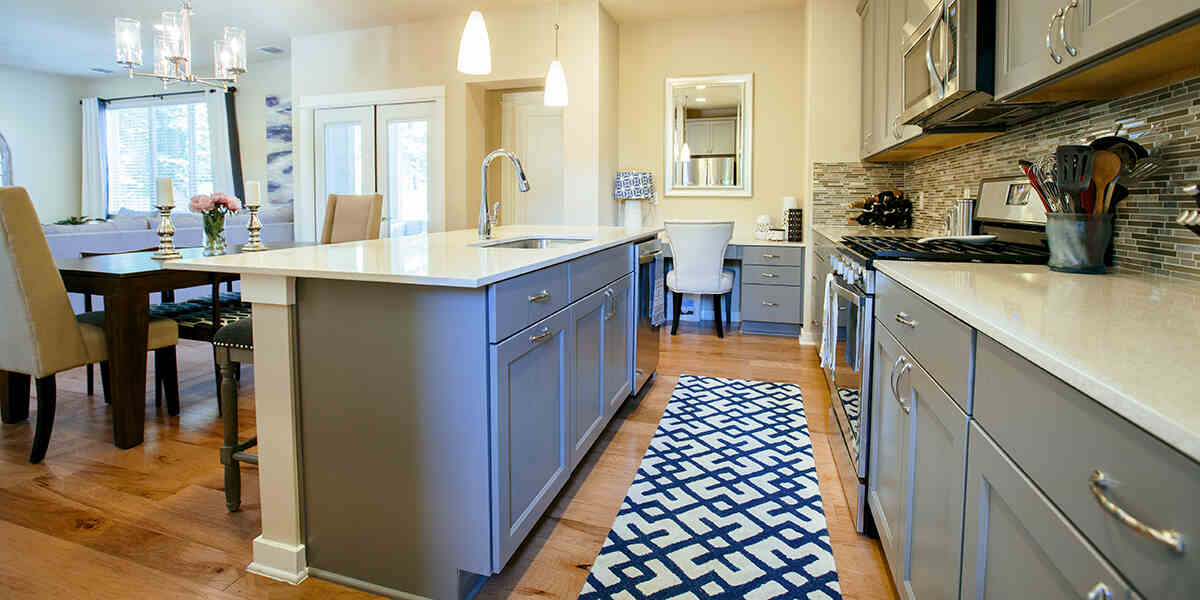
kitchen cabinet

How to Choose Kitchen Cabinets That Last in Arizona’s Dry Climate

Living in Tucson means enjoying year-round sunshine and stunning desert landscapes, but these same conditions create unique challenges for your kitchen cabinets. With average humidity levels dropping as low as 16% during summer months and temperatures regularly exceeding 100°F, choosing the right cabinet materials isn’t just about aesthetics—it’s about protecting your investment from cracking, warping, and premature aging.

Whether you’re planning a complete kitchen remodel in Tucson or simply updating your cabinetry, understanding how Arizona’s climate affects different materials will help you make smarter decisions that last decades, not just years.

Understanding Arizona’s Impact on Kitchen Cabinetry

Tucson’s desert climate presents three primary challenges for kitchen cabinets: extreme low humidity, intense UV exposure, and dramatic temperature fluctuations. During summer, relative humidity can plummet to just 16%, while in the winter months it may reach 40-45%. This constant expansion and contraction causes wood to “breathe” more aggressively than in temperate climates.

The intense Arizona sun compounds these issues. UV radiation doesn’t just fade finishes—it actually breaks down wood fibers over time, weakening structural integrity. Even cabinets positioned away from direct sunlight experience reflected UV rays bouncing off light-colored surfaces and desert landscaping.

Add sudden monsoon humidity spikes between June and September, and your cabinets’ faces swing in moisture that can stress joints, loosen hardware, and cause finish failures if you haven’t chosen appropriate materials.

Best Cabinet Materials for Desert Climates

Engineered Wood Products

Plywood stands as the gold standard for Arizona kitchens. Its cross-laminated construction provides dimensional stability that solid wood simply cannot match in dry conditions. Furniture-grade plywood with at least five layers offers superior screw-holding capacity and resists the shrinkage that plagues lesser materials.

Medium-density fiberboard offers another viable option, particularly for painted cabinet doors. MDF’s uniform density eliminates grain patterns that expand unevenly, creating an exceptionally smooth painted surface. However, moisture-resistant MDF formulations work best near sinks and dishwashers where localized humidity occurs.

Hardwood Options

When you prefer natural wood aesthetics, species selection matters tremendously. Maple cabinets score 1,450 on the Janka hardness scale and naturally resist the cracking associated with moisture loss. Oak, at 1,360, provides similar durability with distinctive grain character. Cherry wood offers beauty and resilience, though it requires UV-protective finishes to prevent darkening.

Avoid softer woods like pine or alder in Arizona’s climate. Their open grain structures lose moisture rapidly, leading to dimensional instability and potential joint failure. For your interior remodeling in Tucson projects, investing in harder wood species pays dividends through reduced maintenance and longer lifespan.

Alternative Materials

Thermofoil cabinets combine engineered wood cores with vinyl surfaces, creating seamless, moisture-resistant exteriors. These cabinets clean easily and resist common kitchen stains, making them practical for busy households. High-pressure laminates offer similar benefits with broader color ranges and texture options.

Stainless steel cabinets represent the ultimate in durability for Arizona conditions. They neither expand nor contract with temperature changes, resist all moisture, and maintain appearance despite intense UV exposure. While rarely used for entire kitchens due to cost and industrial aesthetics, incorporating steel elements near high-heat cooking areas significantly extends cabinet life.

Protective Finishes for Arizona Conditions

Your cabinet finish serves as the first line of defense against environmental damage. UV-protective polyurethane coatings filter harmful rays while maintaining color integrity. These finishes prevent the photodegradation that causes untreated wood to gray and weaken over time.

Water-based polyurethane dries quickly and emits fewer volatile organic compounds than oil-based alternatives. It maintains color stability better over extended periods, critical when Tucson’s intense sunlight constantly bombards your cabinets. Apply multiple thin coats rather than single thick applications—each layer reinforces moisture barriers and UV protection.

Oil finishes penetrate wood fibers rather than sitting atop surfaces. Tung oil and Danish oil provide moderate water resistance while maintaining natural wood texture. These finishes require annual reapplication in Arizona’s dry climate but offer easy repair when minor damage occurs. For visible-wood-grain enthusiasts, oil finishes showcase natural beauty while providing the necessary protection.

Lacquer represents premium finishing for the highest durability. Professional spray application creates glass-smooth surfaces resistant to scratches, heat, and moisture. While expensive, lacquer finishes last decades in Arizona conditions with minimal maintenance beyond routine cleaning.

Installation and Maintenance Strategies

Proper acclimation prevents premature cabinet failure. Store new cabinets in climate-controlled spaces matching your home’s temperature and humidity for at least two weeks before installation. This allows wood to stabilize at ambient moisture content, reducing post-installation movement.

Seal all cabinet edges completely, particularly unfinished panel backs and interior surfaces. Exposed end grain absorbs moisture rapidly during the monsoon season, then releases it during the dry months, creating stress cracks. Professional general contractors in Tucson know that thorough edge sealing extends cabinet life significantly.

Install window treatments to minimize direct sunlight on cabinetry. UV radiation accumulates over time—what seems harmless today causes noticeable fading and finish degradation within years. Cellular shades or UV-filtering window films reduce exposure without sacrificing natural light.

Maintain consistent indoor humidity between 35-50% relative humidity. Whole-house humidifiers prevent excessive cabinet drying during the winter months. At the same time, Tucson’s outdoor humidity averages just 29% annually, and controlling indoor conditions protects your investment. Conversely, dehumidifiers during the monsoon season prevent localized moisture damage near sinks and dishwashers.

Avoiding Common Material Mistakes

Particle board cabinets represent a false economy in Arizona’s climate. Compressed wood chips lose structural integrity when humidity fluctuates, causing sagging shelves and failed joints within years. Save particle board for temporary applications only—your permanent kitchen remodel in Tucson deserves better materials.

Standard MDF without a moisture-resistant formulation swells dramatically when exposed to water. A single plumbing leak or dishwasher overflow can destroy unprotected MDF cabinets beyond repair. If budget constraints require MDF, specify moisture-resistant versions and ensure professional sealing of all cut edges.

Skipping UV-protective finishes saves money initially but costs substantially more through premature refinishing or replacement. Arizona’s intense sunlight ages untreated cabinets years faster than protected alternatives. Factor finish quality into your initial budget rather than treating it as optional.

Long-Term Value Considerations

Quality cabinet materials cost more upfront but deliver a superior return on investment. Plywood cabinets properly finished and maintained last 30-40 years in Arizona conditions. Solid hardwood cabinets can last for over 50 years with proper care. Compare these lifespans to particle board’s 5-10 year expectancy, and the true value proposition becomes clear.

Working with experienced architectural services professionals ensures proper material selection from project inception. Design decisions affecting cabinet placement, ventilation, and sun exposure significantly impact long-term performance. Professional guidance helps avoid costly mistakes that compromise your kitchen’s functionality and appearance.

Consider future home value when selecting cabinet materials. Quality cabinetry remains among the top factors buyers consider when purchasing a home. Investing in appropriate materials for Arizona’s climate protects both your daily enjoyment and eventual resale value.

Making Your Final Selection

Balance durability, aesthetics, and budget realistically. Furniture-grade plywood with UV-protective finishes offers excellent performance at moderate cost. Reserve solid hardwood for visible areas where natural beauty justifies premium pricing, using plywood for structural elements.

Schedule consultations with experienced kitchen remodeling professionals who understand Tucson’s specific challenges. Pro Remodeling has served Southern Arizona since 1971, helping homeowners navigate material selections that withstand desert conditions while achieving desired aesthetics.

Your kitchen cabinets represent a significant investment in your home’s functionality and value. Choosing materials suited explicitly to Arizona’s dry climate ensures decades of reliable performance and enduring beauty, making your kitchen remodeling project a success for years to come.

Ready to start your kitchen transformation? Contact Pro Remodeling at 520-745-9769 for a free consultation. Our experienced team will help you select the perfect cabinet materials for Tucson’s unique climate, ensuring your investment delivers lasting beauty and performance.

kitchen remodel mistakes

6 Costly Kitchen Remodeling Mistakes To Avoid 

Upgrading your kitchen is by far the most sought-after home renovation. It boosts your home’s value, enhances daily living, and provides the dream space you’ve always wanted.

But even seemingly minor kitchen remodel mistakes can turn the experience into a stressful, expensive mess. To save yourself time, money, and frustration, Pro Remodeling is highlighting some of the most common pitfalls and how to avoid them below.

1. Ignoring Workflow Efficiency

The number one mistake? Not taking layout planning seriously. A kitchen isn’t just about looks; it needs to function well, too. 

For example, if your refrigerator, stove, and sink aren’t placed with workflow efficiency in mind, you could end up with a kitchen that looks nice but feels like an obstacle course. Do you really want to be carrying hot pots across the room to drain pasta because the sink isn’t near the stove? 

This will happen if you don’t remember the “kitchen work triangle.” This principle helps with flow by grouping related work areas so the space supports how you actually work in it.

2. Skimping on Storage Solutions

Increasing storage is a common motivator for a kitchen makeover, but if you don’t choose solutions based on how you really use the space, clutter will eventually take over. 

Explore innovative storage solutions, like pull-out shelves, deep drawers, and hidden cabinets, to give every pot, pan, and appliance its own place. Investing in storage from the start helps keep your kitchen functional and tidy.

3. Overlooking Lighting Design

Lighting is a big part of your remodel’s success, and relying solely on overhead lights is one of the sneakiest kitchen remodel mistakes homeowners make. 

To ensure a functional and well-lit work area, layer lighting. Install task lighting under cabinets to illuminate tasks like chopping and cooking, ambient lighting for a cozy glow, and accent lighting to highlight design details. 

4. Forgetting Ventilation Needs

Cooking produces heat, grease, and odors that linger without a proper ventilation system. Many homeowners skip this step or opt for a cheap hood (especially in budget-friendly kitchen remodels), only to regret it later. A strong, well-installed range hood keeps the air fresh and protects your new cabinets from damage.

5. Choosing the Wrong Countertop Material

It’s easy to fall in love with a countertop material based on its appearance without thinking about how it will work with your lifestyle. Choosing something that can’t withstand heat, spills, or heavy use is a kitchen remodeling mistake you’ll regret every day. Marble may be stunning, but it requires constant maintenance, whereas quartz or composites offer beauty and low-maintenance durability. 

6. DIYing When You Shouldn’t

You can easily paint a wall yourself, but handling plumbing, electrical, or structural changes without professional help will undoubtedly lead to mistakes and expensive do-overs. Hiring an experienced contractor ensures your project runs smoothly.

Are You Ready To Remodel Without Regrets?

Avoiding kitchen remodel mistakes comes down to planning, expertise, and choosing the right partner. At Pro Remodeling, we help Tucson homeowners create kitchens that are beautiful and practical without the headaches of a DIY kitchen remodel. Call us today at (520) 745-9769 to get started.

how to choose a kitchen remodeling contractor

4 Things To Look for When Hiring a Kitchen Remodeling Contractor

Many homeowners looking for a way to revamp their property and increase its value turn to kitchen remodeling in Tucson, AZ. Yet who you hire to complete your project will play an integral role in its success.

Knowing how to choose a kitchen remodeling contractor is a must if you want the best outcome for your project. Pro Remodeling is a leading remodeling company in Tucson. Consult our kitchen contractor selection guide to ensure you make the most informed decisions for your home. 

How To Choose a Kitchen Remodeler: 4 Tips To Consider

Who you hire to upgrade your kitchen will determine the execution of your preferred plan. Hiring kitchen renovation professionals starts with research. You can search for local contractors online or ask friends and family for referrals. 

Before solidifying your kitchen remodeling ideas, create a shortlist of contractors and vet them. To learn how to choose a kitchen remodeling contractor with the best qualities, follow these four tips.

1. Consider the Contractor’s Experience Level

A common mistake homeowners make is choosing remodelers with little to no experience. It’s best to hire a contractor with ample experience renovating kitchens. That way, you can be sure they have the skills to work on your project.

When vetting kitchen remodel companies, you may feel tempted to opt for the cheapest option. However, low bids do not always equal high-quality services and desired results. 

2. Ask About Their Credentials

Whoever you hire should be licensed, insured, and bonded. Licensing ensures that the contractor is compliant with all state and local contracting requirements. Insurance protects you from financial liability if something goes wrong during the project. Bonds also offer financial protection if the contractor fails to complete their work.

3. Review Their Work From Previous Clients

A positive reputation and proven track record are solid qualities of a good kitchen contractor. During your research, review each remodeler’s portfolio of past work to get a better understanding of the type of work they produce.

It also helps to read testimonials and referrals from past clients on social media and third-party review websites. The information they provide could tell you about the contractor’s expertise, ability to address challenges, and overall professionalism. 

4. Ensure Their Contract Contains All Essential Information

Part of learning how to choose a kitchen remodeling contractor is ensuring they provide detailed contracts. That documentation outlines the kitchen remodeling plans, payment information, and other essential details. Make sure your contract includes the following details:

  • Complete scope of the work
  • Payment schedule
  • Estimated completion timeline
  • Itemized list of materials, including brands and manufacturers
  • Termination clauses
  • Warranty information
  • Contact information

Ready To Revamp Your Kitchen? Choose Pro Remodeling!

Knowing how to choose a kitchen remodeling contractor is the best way to ensure a perfect kitchen transformation. At Pro Remodeling, we can make your dream home a reality with our comprehensive remodeling solutions. Our licensed, insured, and bonded company has decades of experience transforming properties throughout Tucson, Arizona. 

From upgrading kitchen flooring to total room overhauls, our experts do it all! Contact Pro Remodeling today at (520) 745-9769 to request a complimentary estimate.

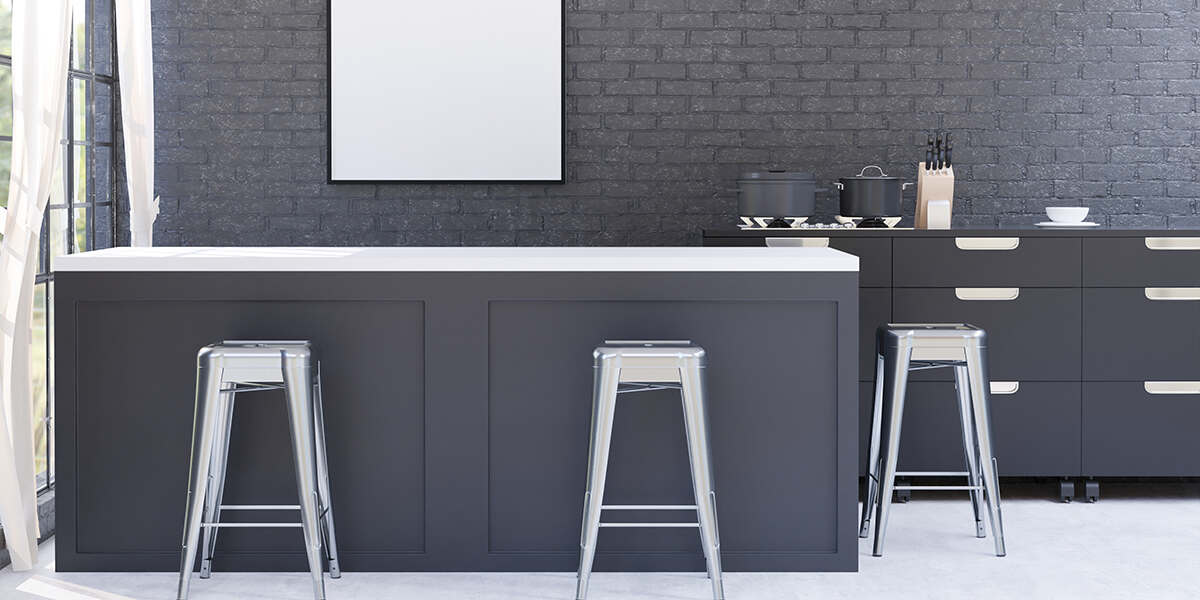
bar height vs counter height

Understanding Bar Height and Counter Height for Kitchen Remodeling

Many homeowners want large islands in their kitchens for extra counter space and seamless gathering. If you dream of a modern kitchen with an island, Pro Remodeling can bring your vision to life and help you decide on bar height vs. counter height for kitchens. Take a closer look at common countertop height options and how to find one that works for you. 

What Separates Bar Counters From Standard Kitchen Counters?

The standard kitchen island seating height is 36 inches from the ground. You may choose to install an island that maintains this height or have one edge of the island serve as a bar. Most bar-height counters measure between 41 and 43 inches tall. 

These measurements can vary, but generally, bar counters are six inches taller than a typical kitchen counter. The additional elevation helps the surface stand out and can make your kitchen more inviting. 

Customize Your Kitchen Island to Your Liking

It’s not just the surface’s height that you have to consider when remodeling. Contractors understand the appeal and value of modern, functional kitchens. They want to ensure every feature is to your liking, including the island. 

You can customize this space in several ways, including:

  • Creating a peninsula
  • Incorporating dual heights
  • Installing sinks or stovetops on the island

No matter what design you choose, make sure the seating area works for your family.

Understanding the Difference Between Bar and Counter Stools

When you’re weighing having an island at bar height vs. counter height, it’s not just the surface that you must consider. If you intend to place stools around the island and make it a focal gathering or dining spot in your kitchen, you’ll have to choose ones that are tall enough. 

Basic counter stools can stand between 24 and 27 inches tall, while bar stools measure up to 33 inches tall. It’s crucial that you understand the dimensions of your furniture and ensure that each item will fit your renovated kitchen. 

Tips for Choosing a Kitchen Island Seating Height That Suits Your Home

Don’t get too swept up researching kitchen bar ideas and commit to a design that doesn’t benefit you. Before renovating, consider the following tips for selecting an island height:

  • Assess your own height: Taller individuals may benefit from an island featuring a bar height vs. counter height. 
  • Think about your youngsters: Families with small children may opt for a standard counter height island so the surface is more accessible for the kiddos. 
  • Review the need for separate workspaces: You may desire an island with both height options if you plan to use it for both dining and cooking. 

What works in someone else’s kitchen might not suit your space. Discuss your needs and preferences with your contractor to find a solution you’ll be happy with in the long term.

Create Your Ideal Kitchen With Pro Remodeling

What are the benefits of having an island at bar height vs. counter height? What does the average kitchen remodel cost? At Pro Remodeling, we have the answers to these questions and more. Contact us today at (520) 745-9769 to learn more.

must have kitchen features

Four Must-Have Features for Your Kitchen Remodel

Kitchens are an incredibly popular remodeling option. You get to enjoy a clean slate in a space where you spend a lot of time over the years, so it’s exciting to make room for all the must-have kitchen features you want. 

If you’re considering a kitchen remodel in Tucson, AZ, adding the features listed below could make the most of it!

1. High-Quality Appliances Provide Long-Lasting Results

Most people spend a lot of time choosing countertops and a backsplash when remodeling their kitchens. That’s a great start, but you might consider devoting quite a bit of thought — and budget — to the appliances you’ll include instead.

Quality refrigerators, stoves, and ovens won’t need replacements in the near future. Want seamless designs well built to last? The designers can also incorporate the appliance finishes into your kitchen’s unique color scheme for a perfect match.

You’ll use these installations nearly every day. Shouldn’t they fit your needs and give you reliable performance?

2. The Kitchen Island Can Serve Multiple Purposes

When considering kitchen island ideas, designers should focus on versatility. The island can serve multiple purposes in this room, offering storage, extra cooking space, another sink, and a seating area. 

Explain how you’d like the island area to function, and let the designers incorporate all your ideas! Regardless of whether the island is small or large, making the space as useful as possible means you can enjoy it as you deserve.

3. Storage Cabinets That Fit Your Needs

One of the most important must-have kitchen features is storage, but don’t just settle for a cookie-cutter solution. If you want to hide your microwave or trash can, finding the right storage solutions can accommodate these items and make them look good. 

Some people like to buy food in bulk and need a large pantry area that’s closed off from the main kitchen. Others prefer to focus on cabinets with pull-out shelves, spaces for large pots, and organizers for spices. If you don’t mind cabinets that are several feet high for items you rarely use, why not take advantage of this overhead area with stylish yet functional cabinets?

4. Functional Lighting That Also Highlights the Design

Kitchen lighting needs to be gorgeous and practical. When working with food items or sharp objects, you need lights that focus on your work areas. Designers can also create under-cabinet lighting that’s hidden from sight but does its job perfectly.

It’s tricky to maximize the natural light in the room while adding overhead lights that highlight the beauty of the kitchen. However, because lighting can greatly affect the mood of the space, it’s essential to pay close attention to how both types of lighting come together to enhance your kitchen design.

Let Pro Remodeling Design Your Dream Kitchen Features

At Pro Remodeling, our designers can give you all the must-have kitchen features you want! Feel free to ask us about our large and small kitchen remodeling ideas and successful projects! When you’re ready to turn your remodeling ideas into reality, we’re ready to make it happen. 

Contact us today at (520) 745-9769 for an appointment.

small kitchen remodeling ideas

Six Small Kitchen Remodel Ideas To Maximize Space and Style 

As you prepare for your small kitchen remodel in Tucson, AZ, consider a few impactful changes to elevate the room. Pro Remodeling offers custom design services to create the kitchen of your dreams, regardless of what size you’re working with. 

Here are our favorite small kitchen remodeling ideas. 

1. Use Vertical Space 

It’s essential to make the most of vertical space in small rooms. Vertical storage solutions like tall cabinets allow you to stash things you rarely reach for. To reach them, you can easily hide away a slim step stool or small ladder until you need to fish out the Christmas serving ware.  

2. Open Up Your Shelving  

Use an open shelving design to reduce the visual weight of your eye-level storage. These are also great places to add unique decorative touches and pops of color. For those worried about dust, storing open vessels such as mugs or bowls upside down is an easy fix. 

Mix open shelving with tall, ceiling-height cabinets to encourage the eye upward and expand the room. 

3. Choose Multifunctional Furniture 

Multipurpose furniture is a practical storage option for small rooms. Choose a kitchen island with pull-out drawers and a spacious surface that doubles as dining or prep space. 

Fold-away tables are super convenient when you have extra dinner guests or need more room for the kids to help you bake. These can be stowed vertically in a closet or slipped into the gap between the wall and an appliance. 

4. Go With Compact Appliances 

Most small homes don’t need massive refrigerators or dishwashers. Look for slim profiles that free up floor space. 

Integrated appliances are also great, as built-in options keep your counters clutter-free.  

5. Keep Decor Minimal 

Avoid excessive clutter or competing aesthetics. Keep your decorative touches minimal but impactful. Choose personal items and greenery that bring life and color to the room. 

6. Create Breathing Room With Design Illusions 

Choosing bright, statement kitchen lighting creates the illusion of more room. Smart lighting upgrades enable you to conveniently adjust the ambiance in your space to maximize the impact of your fixtures. 

Complement these choices with light color schemes as you narrow down your options. Whites and pastels lend an airy feeling to the space. 

Bounce light around the room with reflective surfaces. Glossy cabinets and backsplash tiles are a great way to lighten the room. You can also hang a mirror across from your window or another light source to instantly make the room feel bigger. 

Get Started With Pro Remodeling 

If you’re ready to plan your dream kitchen in Tucson, AZ, contact Pro Remodeling. Our team offers plenty of small kitchen remodeling ideas and will work with you to find the perfect solutions for your home. We’ll provide you with an in-depth kitchen remodeling timeline and stick to it once the work begins. 

As one of Tucson’s top home improvement services, we’ve offered old-world quality since 1971. Let us improve your home’s value and create a space you love to live in. Call (520) 745-9769 to get started today.  

kitchen flooring trends

Top Kitchen Flooring Trends To Keep You Up to Date

The kitchen is the heart of your home. It’s where you cook, enjoy meals with your family, and entertain guests. Therefore, it makes sense to put some thought into your choice of kitchen flooring.

You want to make sure your choice of flooring ticks all the right boxes and will not leave your kitchen looking out of style. Not sure where to start? Pro Remodeling, the top choice for kitchen remodeling in Tucson, AZ, provides a quick look at some of the hottest kitchen flooring trends we’re seeing right now.

Warm Wood Tones

Wood flooring is timeless. It’s hard to move on from its elegance. However, homeowners installing wood flooring in their kitchens today do it with a twist.

Instead of dark tones, they embrace warmer, more inviting tones such as golden maple, rich walnut, and honey oak. These warm wood tones will make your kitchen cozier, warmer, and ultimately more inviting.

Biophilic and Recycled Flooring

With more people looking to stay close to nature and also reduce their carbon footprint, it’s no surprise that biophilic and recycled kitchen flooring ranks high on most lists of trending kitchen flooring ideas.

To join this trend, you can complete your kitchen flooring with recycled materials such as cork, bamboo, and even recycled vinyl. You’ll end up with a stylish kitchen floor while doing your part to make the environment safer for us all.

Textured Tile Flooring

Outdated kitchen flooring trends often feature smooth, flat tiles. More homeowners are ditching that style and making the switch to textured tiles that have a hammered or embossed finish. Using these popular kitchen floor materials can add depth to your kitchen and make it more visually intriguing.

The textured look should be high on your list if you favor kitchen flooring trends that guarantee a unique look.

Mixed Materials Kitchen Flooring

Do you want a visually intriguing, multi-textured kitchen floor? Jump on this latest trend of mixing floor materials for an interesting look. It’s one of the most trending kitchen floor designs out there right now.

It simply involves bringing together any combination of tile, wood, concrete, or vinyl into a cohesive look. The right combination and the placement for each material on the floor plan will come down to your unique needs and preferences.

Terrazzo Flooring

Terrazzo is one of the oldest types of flooring, but it has roared back into the limelight. The speckled look is a sure way to give your kitchen that retro look. The versatility of this flooring material means it can work in almost any kitchen décor theme. You should have this option in mind if you don’t have a contemporary-style home.

Trust Pro Remodeling for Innovative Kitchen Flooring Solutions

Do you need more kitchen flooring inspirations? Maybe you’re looking for a contractor to bring these modern flooring styles for kitchens to life on your property.

Call Pro Remodeling today at (520) 745-9769 to schedule a consultation and discuss your kitchen remodel checklist and other modern kitchen flooring trends.


how long does a kitchen remodel take​

How Long Does a Kitchen Remodel Take?

Home improvement projects are exciting, and one of the most popular areas to update is the kitchen.

Kitchen remodels allow you to revamp your cooking space according to your updated needs and preferences. If you’re like most Tucson homeowners planning for this home improvement project, you might wonder, “How long does a kitchen remodel take?”

As the leader in kitchen remodeling in Tucson, AZ, our team at Pro Remodeling is here to explain the kitchen remodeling process and how long it takes.

The Typical Timeline for a Kitchen Remodel

While every job presents its own unique challenges, standard projects typically take between six to 12 weeks to complete once construction begins. 

However, various factors can extend the process, including:

  • Scope of the project: A minor renovation may take a few weeks, while a full-scale remodel with structural changes could take several months.
  • Material availability: Supply chain issues with custom or imported materials can delay progress.
  • Unforeseen challenges: Issues that you didn’t expect, like outdated wiring or plumbing, can arise during demolition.

Explore the Phases Your Project Will Go Through

How long does a kitchen remodel take? We’ve broken down the stages below:

  1. Planning and design (two to four weeks or more): The planning and design phase is where your vision takes shape. You’ll work with designers or contractors to finalize the layout, choose materials, and set a budget. Also, expect to make firm decisions about cabinetry, countertops, and appliances. 
  2. Permits and approvals (two to six weeks): If your project involves structural changes, plumbing, or electrical work, you’ll need to obtain the necessary permits. In and around Tucson, local regulations can influence how quickly officials provide approvals. 
  3. Demolition (one to two weeks): After getting the necessary permits, the physical renovation begins. The demolition phase includes removing old cabinetry, flooring, and fixtures. Issues like hidden water damage or mold can slow progress.
  4. Installation and rough-in work (three to five weeks): This involves installing plumbing, electrical systems, and framing for structural changes. Once the rough-in work is complete, officials must inspect the progress before the job proceeds further. 
  5. Flooring and cabinetry installation (three to six weeks): Flooring materials like tile or hardwood may require specific installation techniques. In addition, the contractor must install the cabinets before countertop fabrication can begin.
  6. Final touches and inspections (one to two weeks): Finally, the contractor adds fixtures, backsplashes, and hardware. Inspections ensure everything meets local codes. You and your contractor will discuss any small adjustments needed to complete the project.

Learn More About What To Expect With Pro Remodeling

Our experts at Pro Remodeling understand the importance of clear communication and efficient project management. With over 45 years of experience, we’ve perfected the art of delivering top-quality results while adhering to realistic timelines.  

How long does a kitchen remodel take? With careful planning and our expert guidance, you can see results in a reasonable timeframe. When you work with us, we’ll explain what kitchen remodel costs and timelines to expect so you’re always in the know.

Call our professionals at Pro Remodeling at (520) 745-9769 to start your next home improvement project.